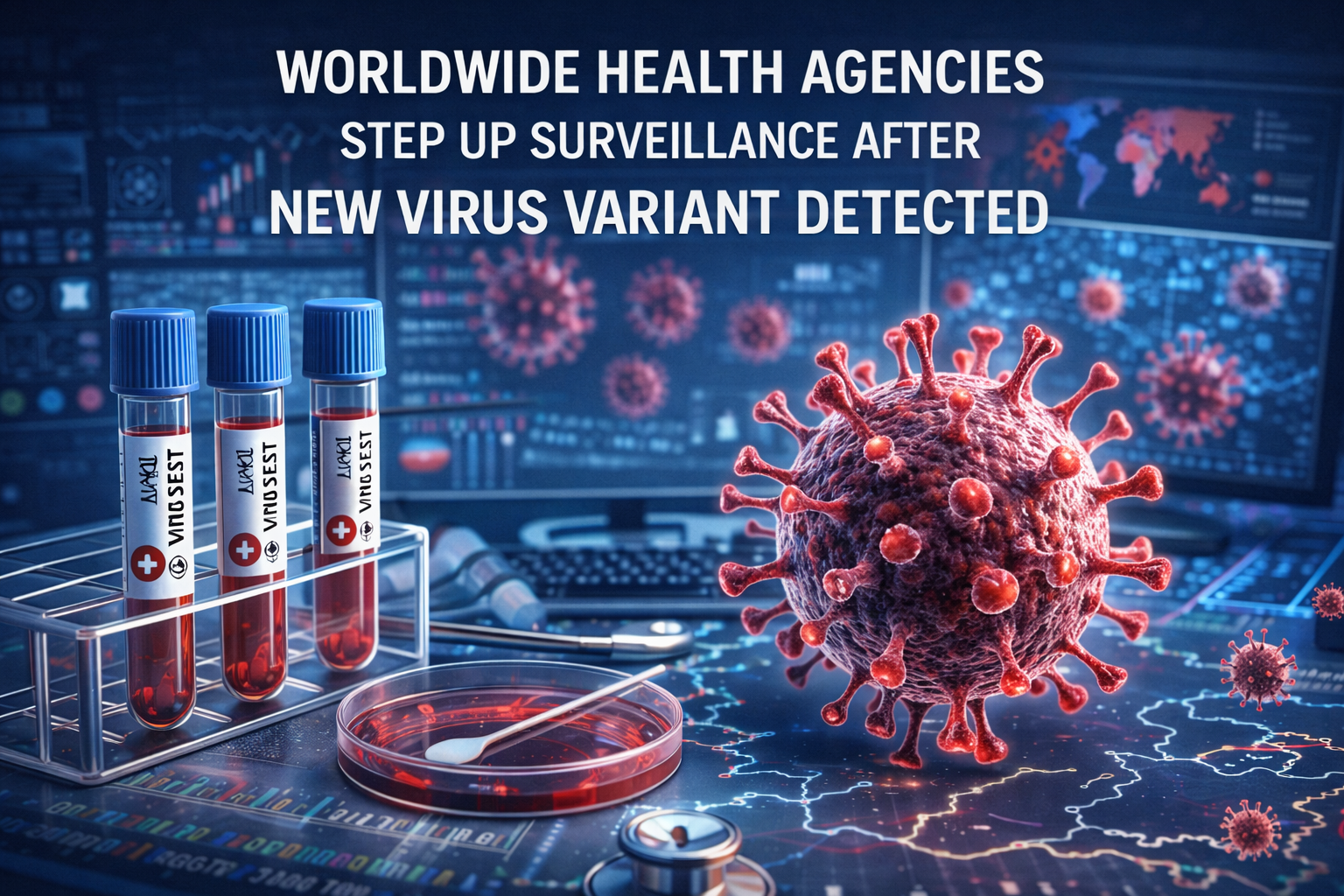
Global health agencies are intensifying disease surveillance efforts after detection of a new virus variant that has begun circulating across multiple regions, prompting authorities to enhance monitoring and preparedness. The Pan American Health Organization (PAHO) and the World Health Organization (WHO) have issued advisories to member states to strengthen epidemiological and genomic surveillance systems to track changes in virus genetics, especially as influenza A(H3N2) subclade K shows rising circulation in Europe, Asia and North America.
Increased surveillance aims to improve early detection of shifts in virus behavior, including potential increases in transmissibility or severity, and to ensure timely public health responses. Health officials are urging countries to amplify testing, sequencing and reporting efforts so that novel variants can be identified quickly and appropriate actions taken to limit spread.
Authorities also emphasize the importance of seasonal influenza vaccination, particularly for older adults and high-risk populations, to reduce hospitalisations and strain on healthcare systems if virus activity intensifies. PAHO’s alert highlights the role of genomic surveillance and timely clinical management in adapting to evolving viral threats, while continuing to monitor SARS-CoV-2 and other respiratory viruses alongside influenza.
Public health experts say this proactive strengthening of surveillance networks and data sharing is critical for global preparedness and response, especially as viruses continue to evolve, news as reported.