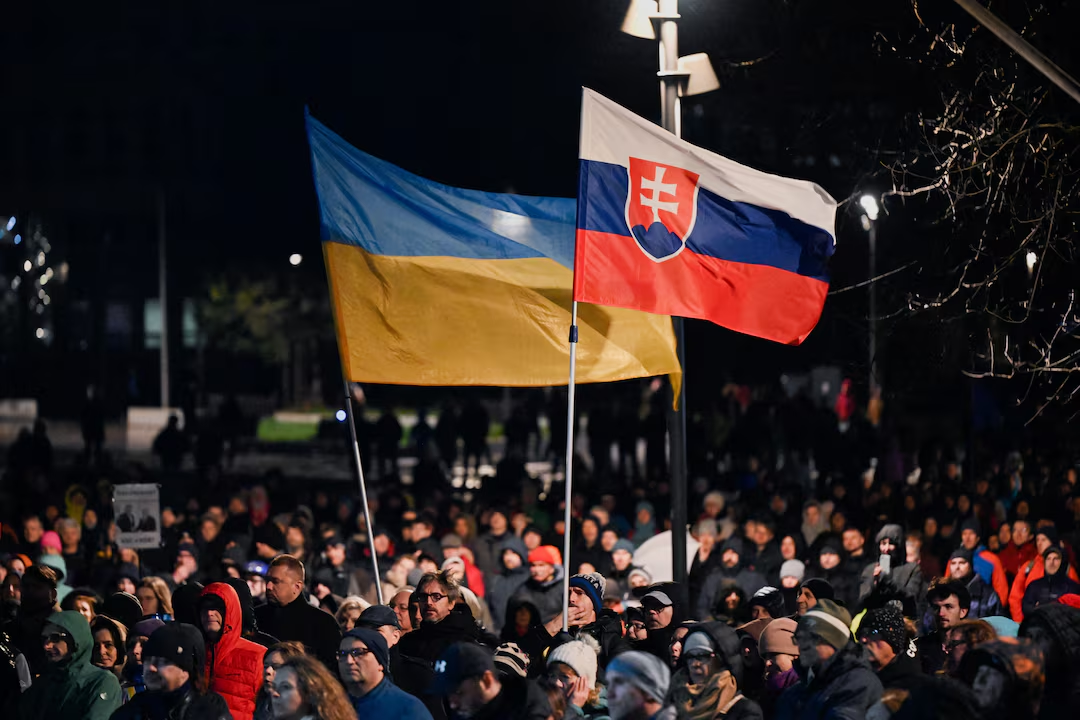
In recent weeks, global dynamics have been heavily influenced by widespread protests and rising diplomatic strains across multiple regions, reflecting broader geopolitical challenges that show no signs of abating. In the Middle East, nationwide demonstrations in Iran sparked by economic collapse have turned into a significant anti-government movement, with hundreds killed and thousands arrested as authorities intensify crackdowns and the U.S. warns of potential intervention. The unrest has drawn international reactions and solidarity protests abroad, heightening cross-border tensions.
Elsewhere, protests and public dissent continue to surface globally — from youth-led movements demanding political reform and economic justice in parts of Asia and Africa to demonstrations over diplomatic actions in the Americas. In South Africa, demonstrators rallied against U.S. policy toward Venezuela, indicating how foreign policy decisions can fuel local unrest and strain bilateral ties.
Analysts note that economic pressures, democratic backsliding, and inequality are among the common drivers of mass protest movements worldwide, while geopolitical friction points, such as great-power competition over trade, military strategy, and regional influence, complicate diplomatic efforts. Organizations tracking global unrest report thousands of events annually — a sign of deepening public dissatisfaction and the challenge leaders face in balancing security with calls for reform.
As these protests and diplomatic strains continue to unfold, they are reshaping alliances, testing institutions, and influencing policy debates from capital cities to global forums — news as reported.