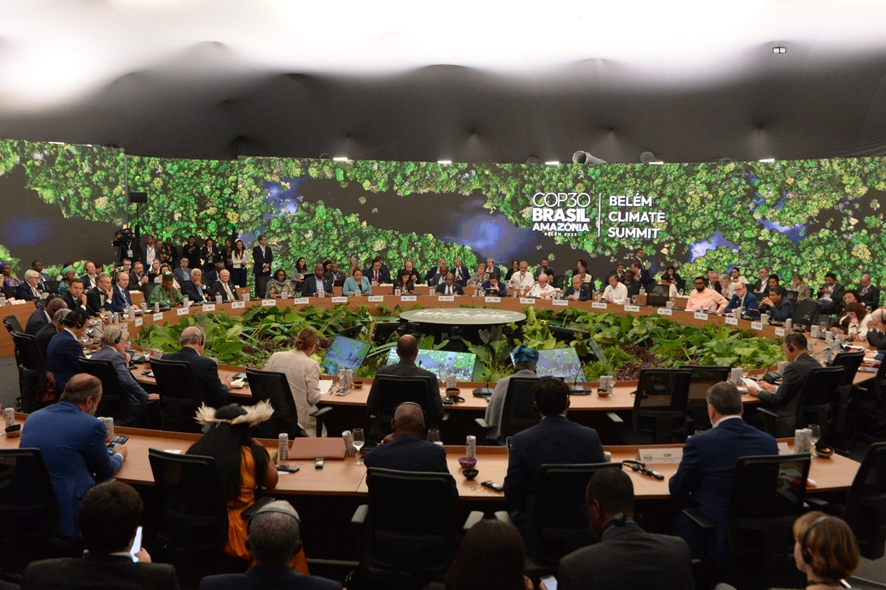
At recent international climate negotiations and high-level forums, world leaders have underscored the critical link between food security and climate change, stressing the need for coordinated global action to safeguard food systems as weather patterns become more unpredictable. During the COP30 summit in Belém, Brazil, representatives from dozens of countries adopted declarations and commitments aimed at strengthening sustainable and resilient agriculture to protect vulnerable populations from climate-driven hunger and instability.
Food and Agriculture Organization and United Nations officials highlighted that climate-linked disruptions such as droughts, floods and shifting growing seasons are already undermining agricultural productivity in many regions, increasing the urgency for policies that support adaptive farming practices and improved supply chains. Agrifood systems were placed at the heart of climate strategies to ensure both mitigation and resilience goals are met as global temperatures rise.
G20 and UN forums have also called for tripling adaptation finance, expanding climate-smart agriculture, and boosting support for smallholder farmers who are most exposed to climate risks. Recognizing that food security is a cornerstone of sustainable development and stability, leaders reaffirmed their commitment to integrating climate action into national food policies and investment plans.
Addressing interlinked climate and food challenges remains a priority as nations seek collective solutions, news as reported.