

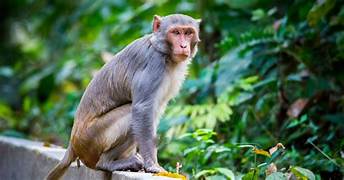
More than a decade after the 2011 Fukushima Daiichi nuclear disaster forced tens of thousands of residents to evacuate, the abandoned landscapes surrounding the plant have become an unexpected refuge for wildlife. With human activity sharply reduced, animals are now roaming freely through empty towns, overgrown streets, and former farmland, offering a rare glimpse into how nature responds when people retreat.
Researchers using camera traps and field surveys have documented a growing presence of wild boar, deer, raccoon dogs, foxes, monkeys, and even rare bird species in the exclusion zones. Vegetation has reclaimed roads and buildings, creating new habitats and food sources. Scientists note that despite lingering radioactive contamination in some areas, many species appear to be thriving, benefiting from the absence of hunting, traffic, and urban development.
However, the resurgence of wildlife also brings challenges. Wild boar populations, in particular, have surged and are considered a potential obstacle to resettlement efforts, as they damage infrastructure and farmland. There are also ongoing concerns about how radiation exposure may affect animal health over the long term, though studies so far show mixed results.
As Japan continues decontamination and encourages residents to return, Fukushima’s evolving ecosystem raises complex questions about coexistence, environmental recovery, and whether some areas may now be better suited for nature than for people – News as reported
