

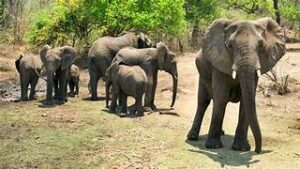
Wildlife movement is increasing in several regions as natural habitats begin to regenerate following sustained conservation and restoration efforts. Environmental experts report that improved forest cover, cleaner water sources, and reduced human disturbance are encouraging animals to return to areas they had previously abandoned.
In forest regions, sightings of deer, wild boar, and smaller mammals have become more frequent as reforestation projects restore food sources and shelter. Birds are also expanding their migratory routes, with wetlands and grasslands once again providing safe resting and breeding grounds. In some areas, predators have been observed following prey species back into recovering ecosystems, indicating a gradual return of natural balance.
Conservation measures such as protected corridors, restrictions on deforestation, and habitat restoration programs have played a major role in this recovery. Wildlife corridors, in particular, allow animals to move safely between fragmented habitats, reducing conflict with human settlements and improving genetic diversity.
Experts note that while the increase in wildlife movement is a positive sign, it also requires careful management. Communities living near regenerating habitats are being encouraged to adopt coexistence strategies to prevent human–wildlife conflict. Overall, the renewed movement of wildlife is seen as a hopeful indicator that damaged ecosystems can recover when given time, protection, and responsible management.
