

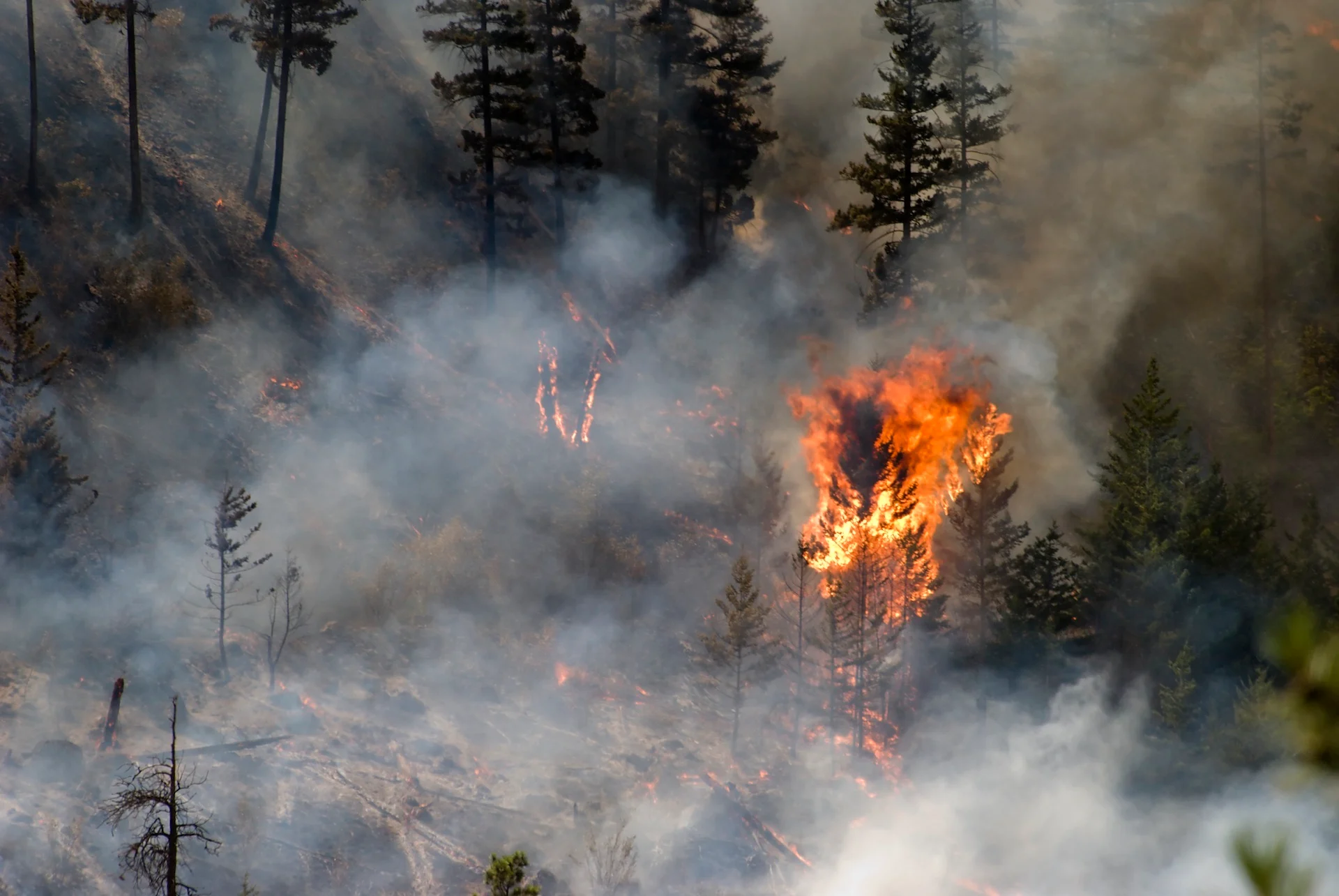
Scientists are warning that wildfires may be far more dangerous to air quality than previously believed, according to new research that reveals significantly higher emissions of harmful air pollutants. The findings suggest that smoke from wildfires releases large amounts of toxic gases that rapidly form fine particulate matter, known as PM2.5, which can penetrate deep into the lungs and bloodstream.
For years, wildfire pollution was thought to be dominated mainly by visible smoke particles. However, the new research shows that invisible gases emitted during fires—such as volatile organic compounds and nitrogen-containing chemicals—play a much larger role in generating fine particles once they react in the atmosphere. These particles are linked to respiratory illness, heart disease, and premature death.
The study indicates that current air-quality models may be underestimating the health risks associated with wildfire smoke, especially as climate change drives longer and more intense fire seasons across many regions. Communities located far from fire zones may also be affected, as these pollutants can travel hundreds or even thousands of kilometers.
Experts say the findings highlight the urgent need to update pollution monitoring systems and public health guidelines. As wildfires become more frequent, understanding the true scale of their emissions will be critical for protecting vulnerable populations and preparing health services for worsening air quality in the years ahead.
