

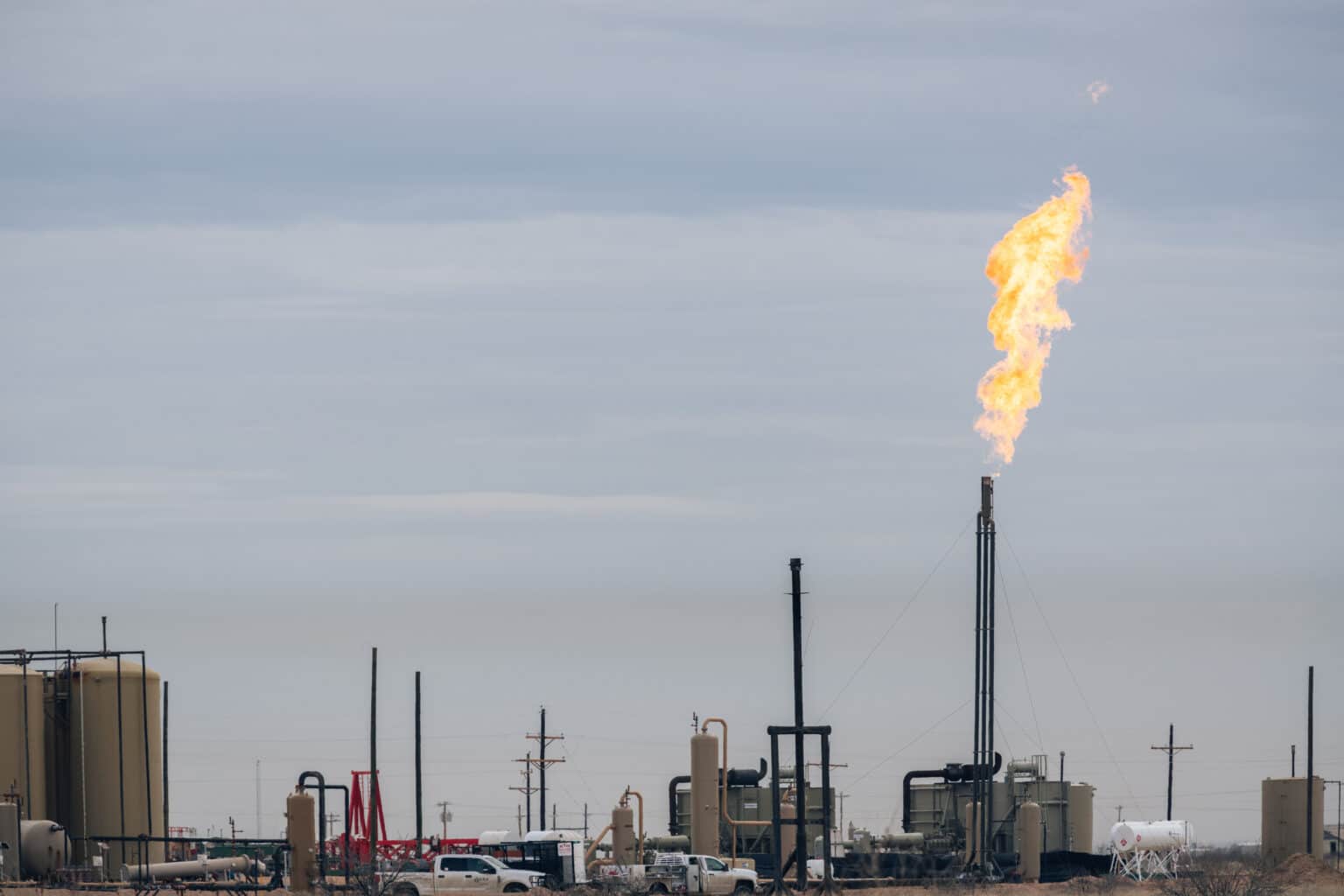
Researchers have identified the key drivers behind the sharp rise in atmospheric methane levels recorded during the early 2020s, pointing to weakened natural removal processes and increased emissions from wetlands as the primary causes.
In a new international study, scientists found that methane “sinks” — natural systems that absorb and break down methane, particularly chemical reactions with hydroxyl radicals in the atmosphere — became less effective during this period. This reduction allowed more methane to remain trapped in the air for longer, accelerating its accumulation. At the same time, unusually warm temperatures and heavier rainfall boosted microbial activity in tropical and northern wetlands, significantly increasing methane releases from these waterlogged ecosystems.
Methane is a powerful greenhouse gas, with more than 80 times the warming potential of carbon dioxide over a 20-year period. Its rapid increase has raised concerns among climate experts, as it can intensify near-term global warming and make international climate targets harder to achieve.
The findings suggest that climate change itself may be amplifying methane emissions, creating a feedback loop in which warming triggers more methane release, leading to further warming.
Scientists stress that alongside cutting fossil fuel emissions, protecting and better managing natural ecosystems will be crucial to slowing methane growth and stabilizing the climate. News as reported

- upgraderz.aws@gmail.com
- upgraderz.aws@gmail.com
- upgraderz.aws@gmail.com
- upgraderz.aws@gmail.com