

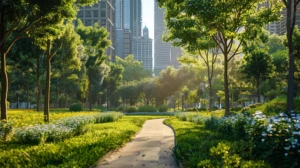
Cities are accelerating urban green cover projects as a key strategy to combat rising pollution levels and increasing heat stress. With expanding populations and denser development, urban areas are experiencing higher temperatures and poorer air quality, prompting authorities to prioritize nature-based solutions.
Municipal governments are investing in large-scale tree planting, rooftop gardens, green corridors, and the restoration of urban parks. These initiatives help absorb air pollutants, provide shade, and lower surface temperatures, improving overall livability. Urban planners note that green cover can significantly reduce the urban heat island effect, especially during prolonged heatwaves.
Public health benefits are also driving these efforts. Increased access to green spaces has been linked to reduced respiratory problems, lower stress levels, and improved mental well-being. Schools, hospitals, and residential neighborhoods are being targeted to ensure vulnerable populations benefit most from the cooling and air-quality improvements.
Community participation is playing a growing role, with residents, schools, and local organizations involved in tree maintenance and neighborhood greening programs. Cities are also integrating green infrastructure into new developments through updated building codes and sustainability guidelines.
Experts emphasize that expanding urban green cover is a cost-effective, long-term solution that supports climate resilience. As climate pressures intensify, such projects are increasingly seen as essential investments in healthier, more sustainable cities.
