

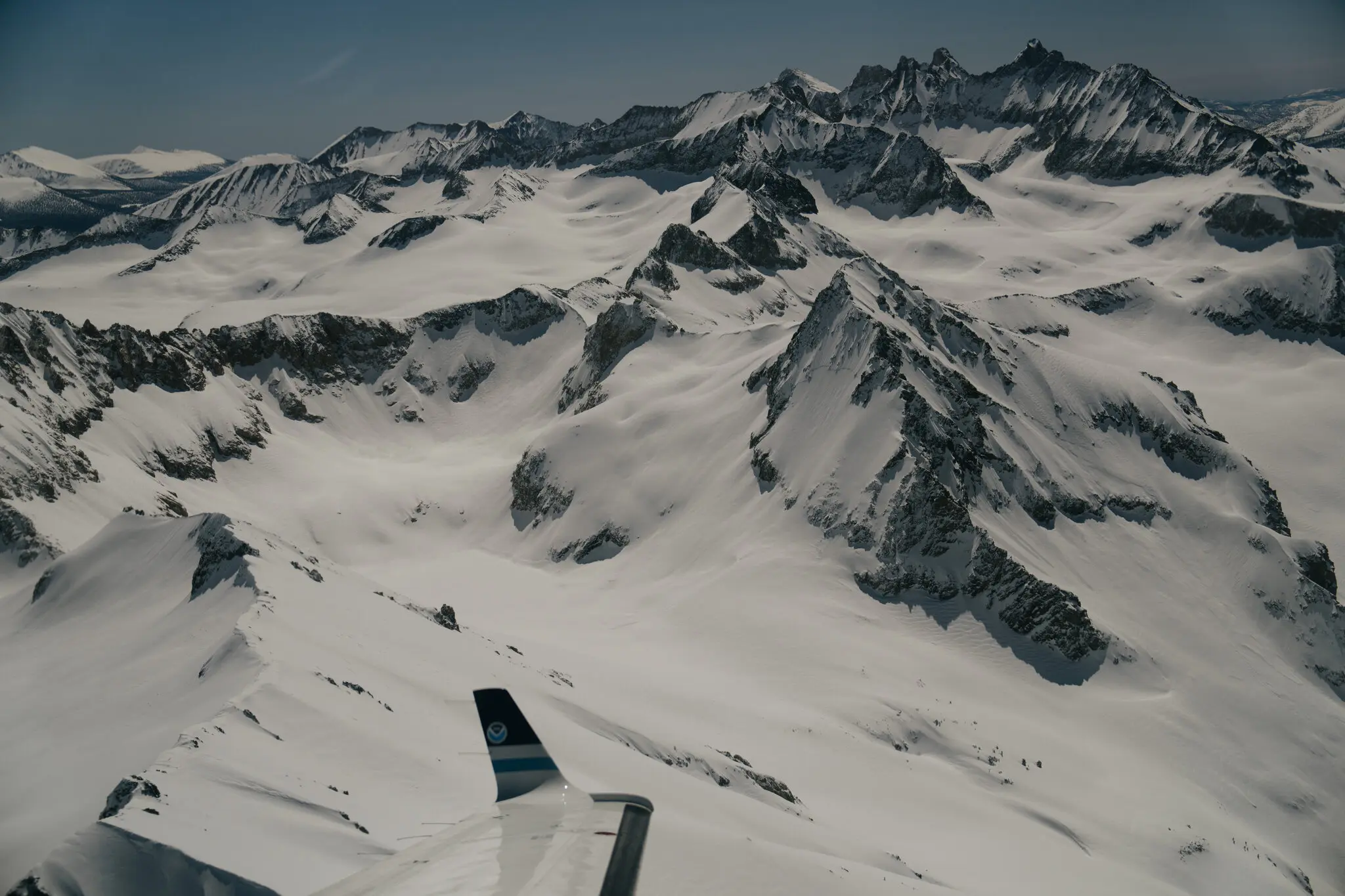
An unusually warm winter has caused a dramatic drop in mountain snowpack levels across key regions, raising concerns for water supplies, ecosystems, and wildfire risks. This winter’s higher-than-average temperatures have reduced snowfall and accelerated snowmelt in high-elevation areas from the Rockies to the Sierra Nevada, according to early monitoring reports.
Snowpack — the accumulation of snow in mountain basins — serves as a natural reservoir, slowly releasing water through spring and summer to rivers, farms, and cities. With levels significantly below historical averages, water managers warn of reduced streamflows, lower reservoir levels, and heightened competition for scarce water resources later in the year.
The decline in snowpack also threatens fragile mountain ecosystems. Lower snow cover can disrupt plant and animal life that depends on gradual snowmelt for moisture and cooler temperatures. Additionally, dry conditions increase the risk of early and more severe wildfires, as dry vegetation becomes more flammable earlier in the season.
Climate scientists link the warm winter to broader trends of global warming, which has increased the frequency of heatwaves and altered precipitation patterns. Officials are urging communities to prepare for potential water shortages and to accelerate long-term planning for a changing climate. Without significant shifts in weather patterns, experts say future winters may continue to yield diminishing snowpacks. News as reported

- upgraderz.aws@gmail.com
- upgraderz.aws@gmail.com
- upgraderz.aws@gmail.com