

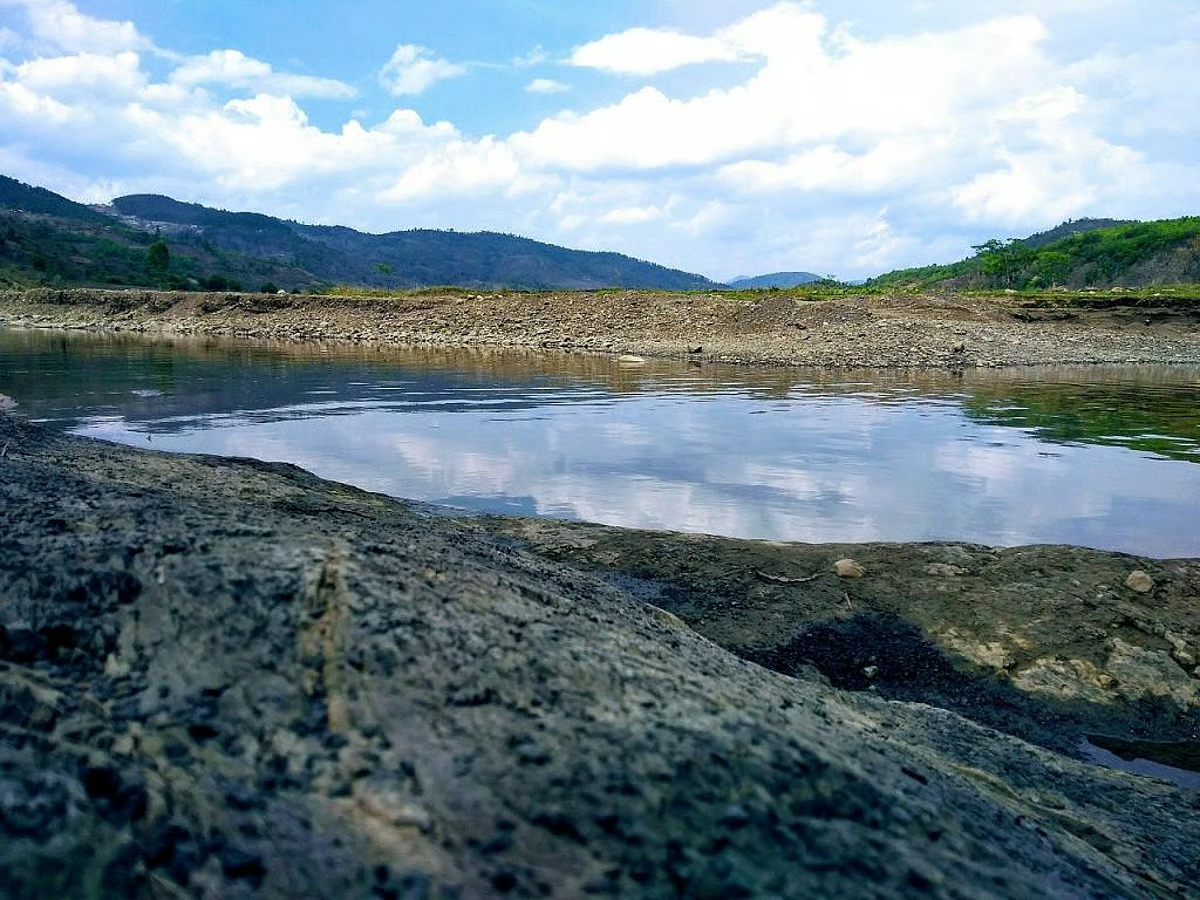
Scientists are reporting significant changes in monsoon patterns, sparking growing concern over their impact on agriculture and food security. Traditionally predictable seasonal rains are becoming increasingly erratic, with delayed onsets, uneven distribution, and sudden intense downpours replacing steady rainfall.
Experts note that these shifts are closely linked to climate change, rising global temperatures, and changing ocean-atmosphere interactions. Regions that once relied on consistent monsoon cycles are now facing prolonged dry spells followed by heavy rainfall, disrupting crop cycles and reducing yields.
Farmers are particularly vulnerable, as many depend on timely rains for sowing and harvesting. Unpredictable weather patterns can lead to crop failures, soil degradation, and increased pest outbreaks, further straining rural livelihoods. In some areas, water shortages are emerging, while others are experiencing flooding that damages fields and infrastructure.
Researchers emphasize the need for adaptive agricultural practices, including drought-resistant crop varieties, improved water management, and better forecasting systems. Strengthening climate resilience in farming communities is seen as essential to mitigate the long-term effects of these changing monsoon dynamics.
The evolving monsoon behavior serves as a critical reminder of the broader environmental shifts underway and the urgent need for sustainable solutions.
News as reported
