

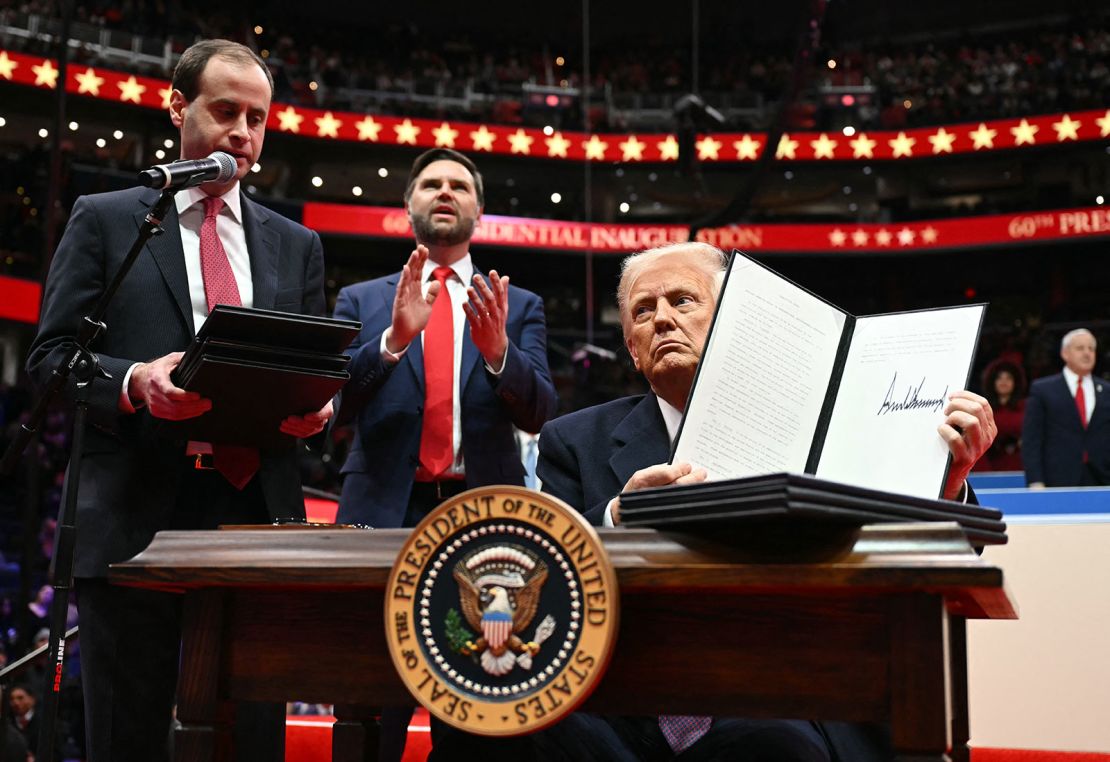
The U.S. government has announced its withdrawal from 66 international environmental treaties and organizations, including several major climate change agreements, a move that has sparked widespread concern about America’s role in global climate leadership.
The decision affects a broad range of international frameworks focused on climate change, conservation, renewable energy, and environmental science. Among the most significant exits are institutions that underpin global climate cooperation, including bodies linked to the United Nations climate system. Critics say the move goes far beyond previous withdrawals from individual agreements and represents a sweeping retreat from decades of U.S. engagement in international environmental governance.
Administration officials have defended the decision as part of a broader effort to prioritize national sovereignty and reduce financial commitments to organizations they argue do not serve U.S. interests. They contend that domestic policies, rather than international agreements, should guide environmental and energy decisions.
Environmental groups, scientists, and many foreign leaders warn that the withdrawals could undermine global efforts to reduce greenhouse gas emissions, share climate data, and coordinate responses to extreme weather and environmental crises. Experts also caution that the move may weaken U.S. influence in setting international environmental standards, potentially allowing other major powers to fill the leadership vacuum.
International partners have signaled they will continue climate cooperation without the United States, but analysts say the absence of the world’s largest economy could complicate global climate action at a critical time.

- upgraderz.aws@gmail.com
- upgraderz.aws@gmail.com
- upgraderz.aws@gmail.com
- upgraderz.aws@gmail.com