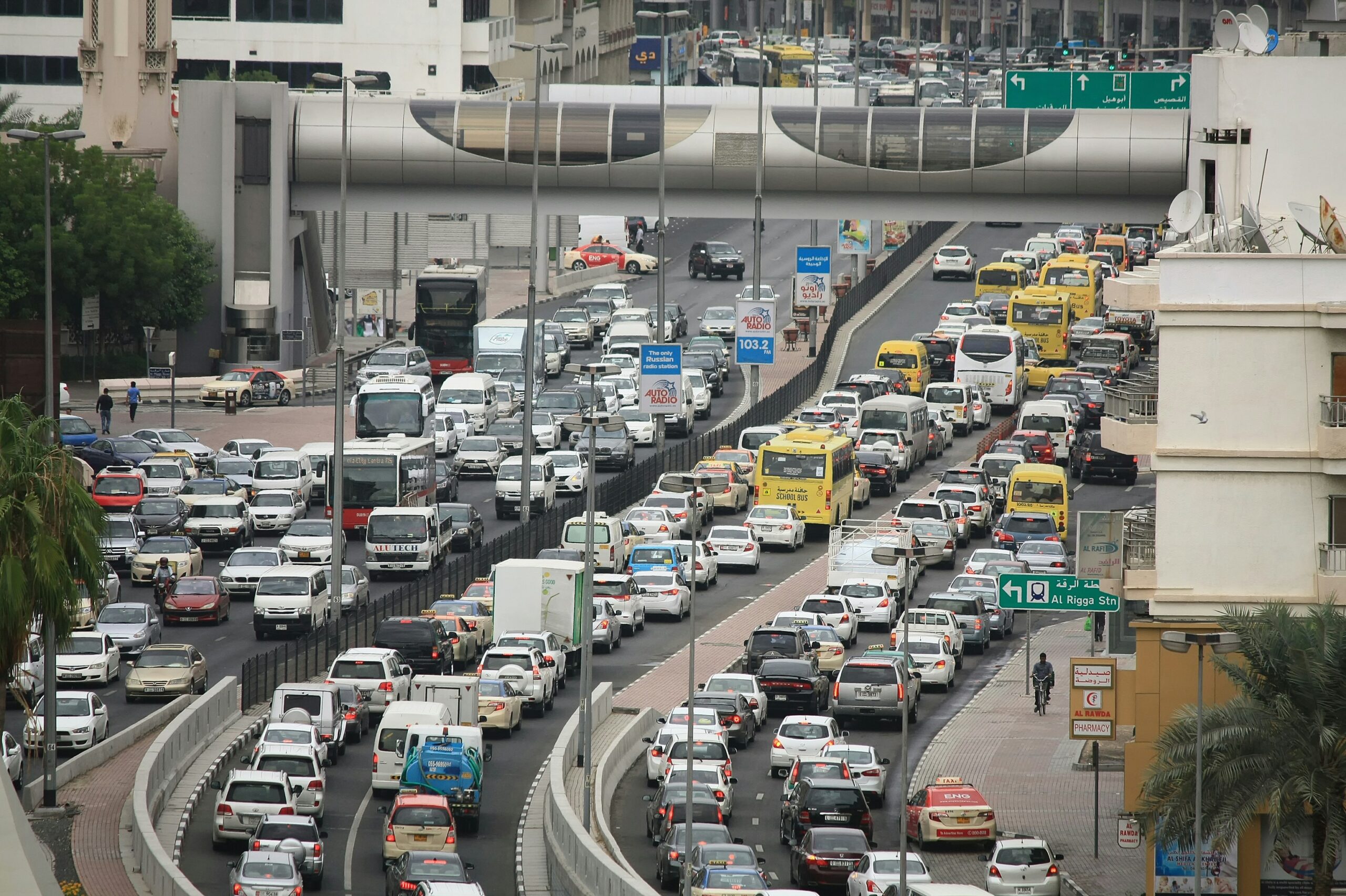
Bengaluru, widely known as India’s technology capital, continues to face severe traffic congestion as the city’s population and number of vehicles grow rapidly. Over the past decade, Bengaluru has experienced massive expansion due to its thriving IT industry, which has attracted professionals from across India and around the world. However, the rapid urban growth has placed enormous pressure on the city’s transportation infrastructure.
Daily commuters often spend several hours traveling between residential neighborhoods and major business hubs such as Electronic City and Whitefield. Roads in these areas become heavily congested during peak hours, causing frustration among office workers, students, and delivery drivers. Many residents say traffic delays significantly affect productivity and quality of life.
One of the main reasons behind the congestion is the sharp increase in private vehicle ownership. As more professionals move to Bengaluru for work opportunities, the number of cars and two-wheelers has grown dramatically. According to transport experts, the city now has millions of registered vehicles, making it one of the most traffic-congested cities in India.
The government and city planners have been working on several projects to address the issue. One major initiative is the expansion of the Namma Metro network, which aims to connect more parts of the city and provide a reliable alternative to road transport. New metro lines and stations are under construction and are expected to reduce pressure on busy roads once completed.
In addition to metro expansion, authorities are also considering improvements to bus services operated by the Bangalore Metropolitan Transport Corporation. Plans include increasing the number of buses, introducing electric buses, and improving connectivity between residential areas and metro stations.
Urban planners have also suggested building more flyovers, underpasses, and dedicated cycling lanes to improve mobility. However, experts warn that infrastructure development alone may not completely solve the problem. They emphasize the need for better traffic management systems, carpooling initiatives, and increased use of public transportation.
Residents have mixed opinions about the ongoing efforts. While many welcome the metro expansion and infrastructure upgrades, others believe that implementation delays have slowed progress. Commuters continue to face long travel times, especially during heavy rainfall or road construction work.
Despite the challenges, city officials remain optimistic that ongoing transportation projects will gradually improve mobility in the coming years. With careful planning and continued investment, Bengaluru hopes to create a more efficient and sustainable urban transportation system that meets the needs of its growing population.
News as reported