

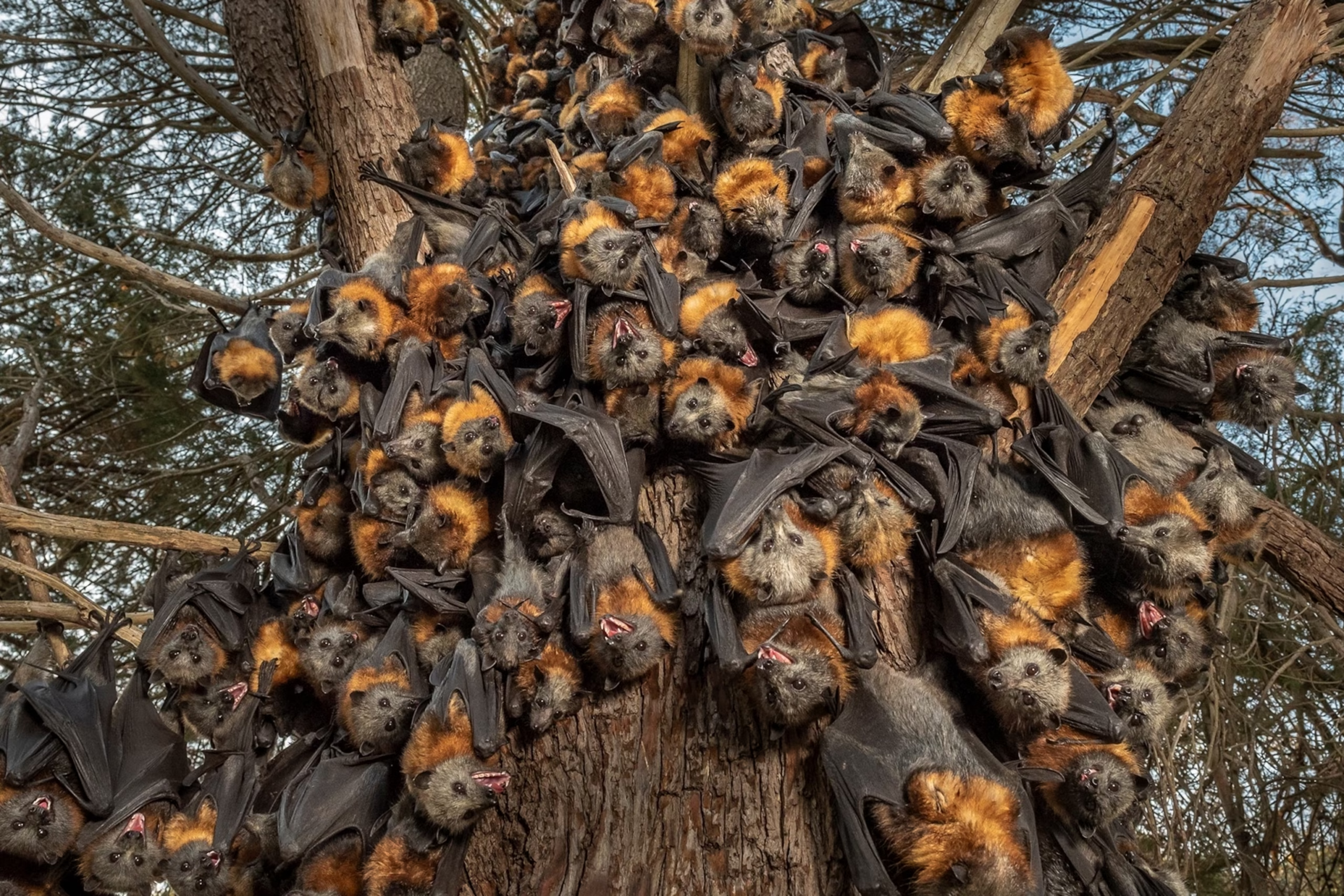
Thousands of flying foxes have died in what wildlife experts are calling Australia’s worst heat-driven mass mortality event, underscoring the growing impact of climate change on native species. Extreme temperatures soaring above 42 °C swept across several regions, overwhelming bat populations that are highly vulnerable to heat stress.
Wildlife carers reported finding vast numbers of bats collapsed in trees or on the ground, dehydrated and unable to fly. Entire colonies were affected, with juveniles and pregnant females among the most severely impacted. Rescue groups worked urgently to provide water and emergency care, but many animals could not be saved due to the scale and speed of the heatwave.
Flying foxes play a critical ecological role as pollinators and seed dispersers, supporting forest regeneration and biodiversity. Conservationists warn that repeated mass die-offs could lead to long-term population declines, threatening ecosystem health and agricultural productivity.
Experts say such events are becoming more frequent and intense as climate change drives longer and hotter heatwaves. They are calling for a nationally coordinated wildlife response strategy, including early-warning systems, dedicated funding for rescue groups, and the protection of critical habitat that offers shade and water.
Environmental groups stress that without stronger climate action and targeted conservation measures, heat-related wildlife disasters like this may become a regular occurrence across Australia.
