

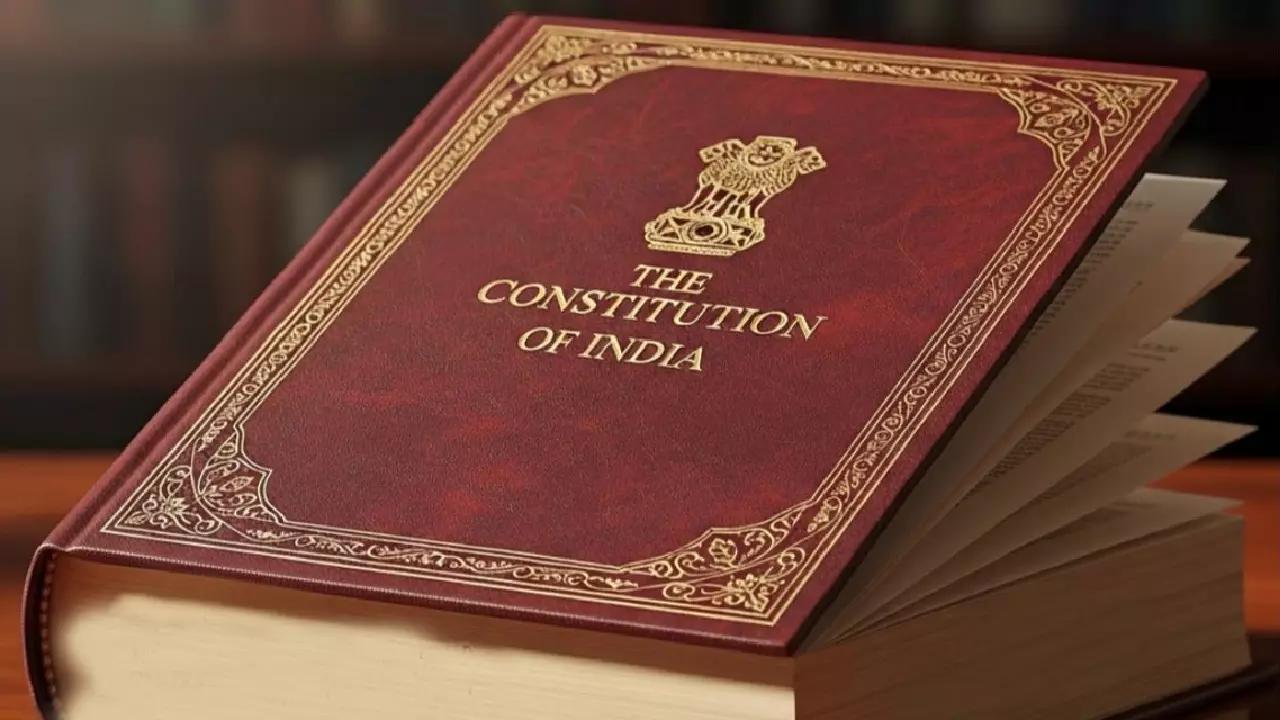
The Supreme Court of India has recently taken up a series of significant cases related to policy decisions and administrative reforms, drawing nationwide attention. These hearings are expected to have far-reaching implications on governance, institutional accountability, and the interpretation of constitutional principles in India.
Among the key matters under consideration are challenges to recent policy changes, administrative procedures, and regulatory frameworks introduced by various government bodies. Petitioners have raised concerns over transparency, fairness, and the potential impact of these policies on citizens’ rights. In response, the court has sought detailed explanations from the concerned authorities, emphasizing the need for clarity and adherence to constitutional norms.
A bench of senior judges highlighted the importance of maintaining a balance between effective governance and the protection of fundamental rights. The proceedings have involved extensive arguments from legal experts, government representatives, and public interest groups, reflecting the complexity and significance of the issues at hand.
Legal analysts believe that the outcomes of these cases could set important precedents for future policy-making and administrative actions. The court’s observations may also guide how laws and regulations are implemented, ensuring that they align with constitutional values and public interest.
The hearings come at a time when administrative reforms are being actively pursued to improve efficiency and service delivery. While such reforms are seen as necessary for development, the court’s scrutiny ensures that they do not compromise legal safeguards or democratic principles.
As the proceedings continue, all eyes remain on the Supreme Court, whose decisions are expected to shape the legal and administrative landscape in the months ahead news as reported.


- upgraderz.aws@gmail.com
- upgraderz.aws@gmail.com
- upgraderz.aws@gmail.com
- upgraderz.aws@gmail.com