

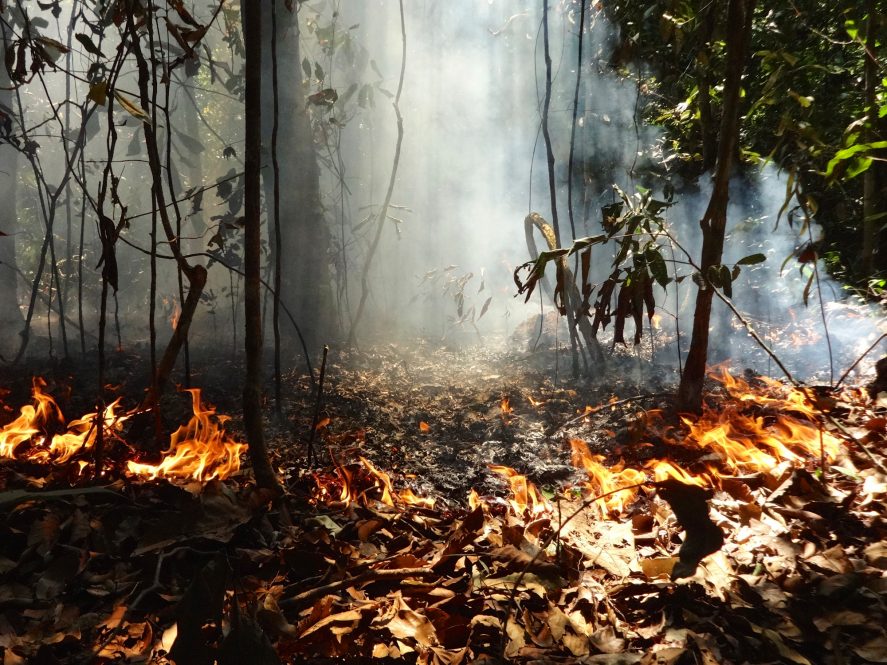
A new scientific study has warned that biodiversity in tropical forests is declining at an alarming rate as deforestation accelerates across key regions of the world. Researchers report that large-scale land clearing for agriculture, logging, mining, and infrastructure projects is fragmenting critical habitats and pushing countless species toward extinction.
The study highlights severe losses in biodiversity hotspots such as the Amazon rainforest, the Congo Basin, and parts of Southeast Asia. These forests are home to more than half of the planet’s terrestrial species, many of which are endemic and highly sensitive to environmental change.
Scientists found that even partial forest degradation can significantly reduce species richness, disrupt pollination networks, and alter ecosystem functions. Large mammals, birds, amphibians, and insects are particularly vulnerable when forest cover is fragmented into isolated patches.
Beyond ecological impacts, researchers warn that biodiversity loss weakens forests’ ability to store carbon, regulate rainfall, and buffer climate extremes. Indigenous communities and forest-dependent populations are also facing economic and cultural challenges as ecosystems decline.
Experts are calling for stricter enforcement against illegal logging, expansion of protected areas, and sustainable land-use planning to halt further damage. Without urgent global action, the study cautions, tropical forest ecosystems may face irreversible collapse within decades. News as reported

- upgraderz.aws@gmail.com
- upgraderz.aws@gmail.com
- upgraderz.aws@gmail.com
- upgraderz.aws@gmail.com