

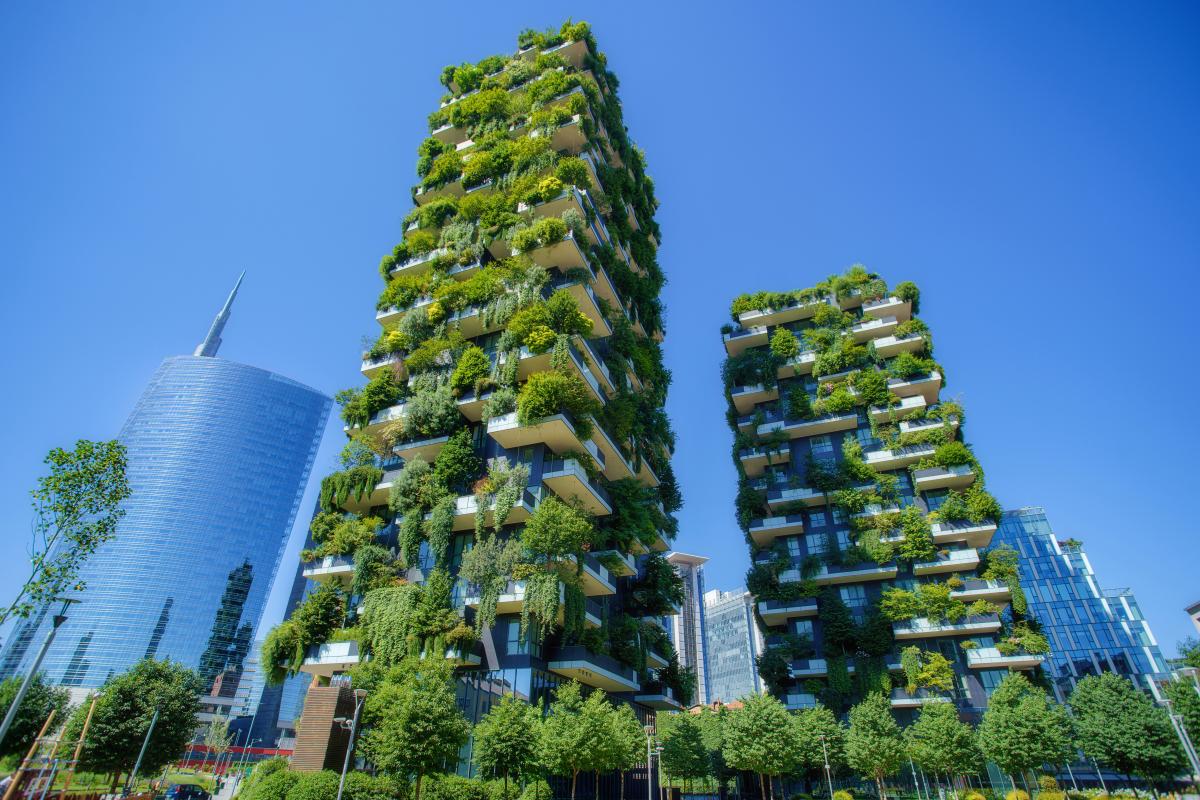
A new study has found that urban nature-based solutions (NbS) are frequently designed with a focus on climate resilience and aesthetic improvement, but often overlook biodiversity considerations during planning and implementation. Researchers warn that while cities are increasingly investing in green roofs, urban forests, wetlands, and park restoration to tackle heatwaves, flooding, and air pollution, many of these projects fail to prioritize native species and ecological balance.
The study highlights that biodiversity is essential for ensuring the long-term success and resilience of nature-based solutions. Projects that rely heavily on a limited range of ornamental or non-native plant species may offer short-term environmental benefits but provide limited support for pollinators, birds, and other wildlife. In some cases, poorly planned interventions can even disrupt existing ecosystems.
Experts recommend integrating biodiversity targets into urban development policies, conducting ecological assessments before project approval, and involving ecologists in the design process. They also call for better monitoring systems to measure ecological outcomes alongside climate and social benefits.
With rapid urbanization placing increasing pressure on natural habitats, researchers stress that cities must adopt a more holistic approach. Embedding biodiversity into urban nature-based solutions will not only strengthen climate adaptation efforts but also enhance ecosystem health and improve quality of life for urban residents. News as reported
