

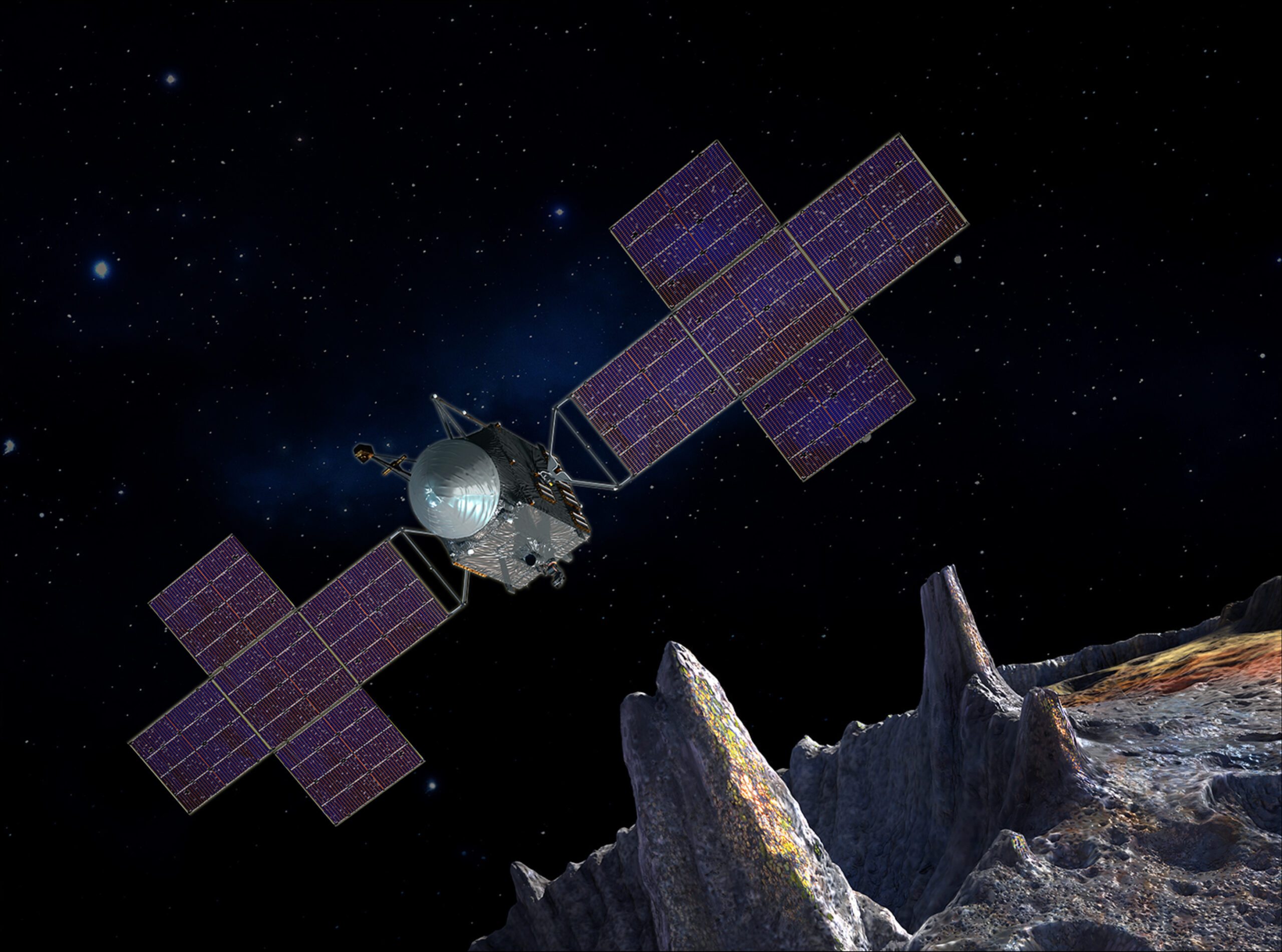
Major space agencies around the world are preparing for a new generation of deep-space missions aimed at studying asteroids and improving scientists’ understanding of planetary systems. These missions are expected to provide valuable information about the origins of the solar system, the composition of asteroids, and potential threats posed by near-Earth objects.
Space organizations such as NASA, the European Space Agency (ESA), and the Japan Aerospace Exploration Agency (JAXA) are developing advanced spacecraft and instruments designed to travel millions of kilometers into deep space. These probes will closely observe asteroids, collect scientific data, and in some cases even return samples to Earth for further analysis.
One major project involves ESA’s Rapid Apophis Mission for Space Safety (RAMSES), which is being developed to rendezvous with the asteroid Apophis before its close approach to Earth later in the decade. Scientists hope the mission will reveal key details about the asteroid’s structure and behavior, while also improving global planetary-defense capabilities.
Other missions are focused on exploring small celestial bodies that may hold clues about the early formation of planets. Asteroids are considered “time capsules” of the solar system because many of them have remained largely unchanged for billions of years. By studying them closely, researchers can gain insights into how planets and other space objects formed.
Upcoming deep-space exploration plans also include spacecraft flybys of multiple asteroids and new telescopes designed to detect potentially hazardous objects earlier. Programs such as NASA’s planned NEO Surveyor aim to improve detection of asteroids and comets that could pose a future threat to Earth.
Scientists say these missions represent an important step in both scientific discovery and planetary defense. By combining advanced technology, international collaboration, and long-term observation strategies, researchers hope to better understand the complex dynamics of our solar system and protect Earth from possible asteroid impacts in the future. News as Reported.