

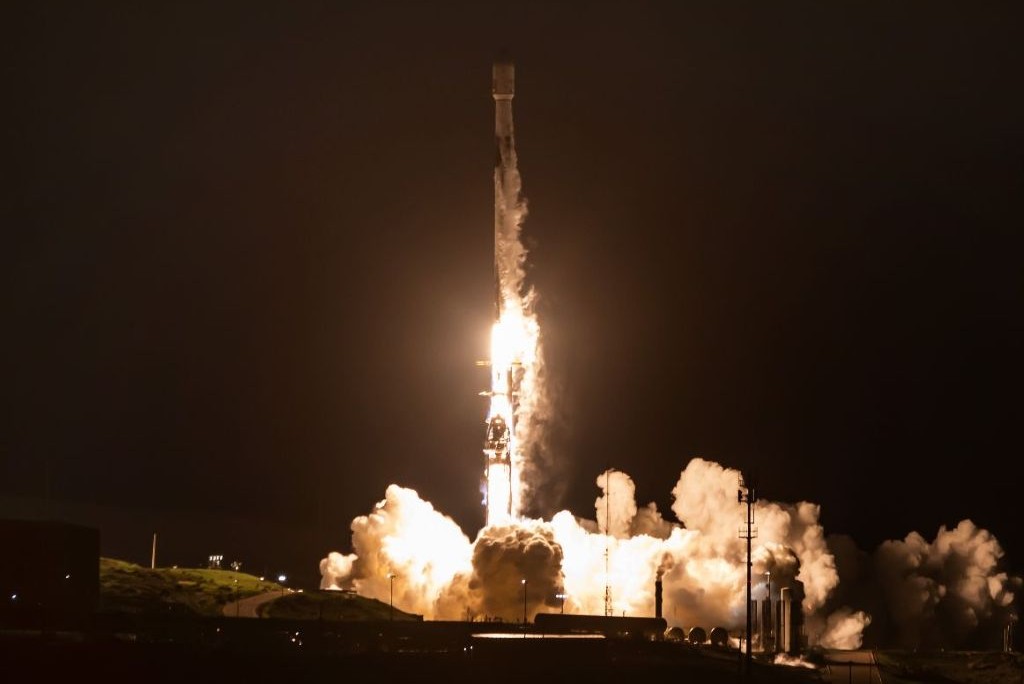
Space agencies and commercial partners worldwide are advancing preparations for a series of next-generation satellite launches that are poised to reshape Earth observation, navigation, and communications infrastructure in 2026 and beyond. Leading off the year, SpaceX successfully launched Italy’s COSMO-SkyMed Second Generation Earth-observing satellite aboard a Falcon 9 rocket from Vandenberg Space Force Base, marking a strong start to the global space launch calendar. The synthetic-aperture radar satellite will provide high-resolution data for emergency management, environmental monitoring, defense and agricultural planning, underscoring the growing importance of advanced observational assets in orbit.
In addition to operational missions already underway, agencies are advancing key next-generation programs. NASA’s Nancy Grace Roman Space Telescope has completed assembly and is entering final launch preparations, promising transformative astronomical surveys once in space. Meanwhile, the European Space Agency is readying its Celeste low-Earth-orbit positioning and timing constellation, with initial launches anticipated in early 2026 to enhance navigation services complementary to Galileo. Commercial and defense-related efforts are also intensifying, with additional satellite batches and constellation expansions planned by both established and emerging space actors.
As launch schedules firm up and spacecraft complete integration and testing cycles, the upcoming missions highlight a high-tempo era for satellite deployment that supports climate science, security, global connectivity, and space science objectives, pas news as reported.