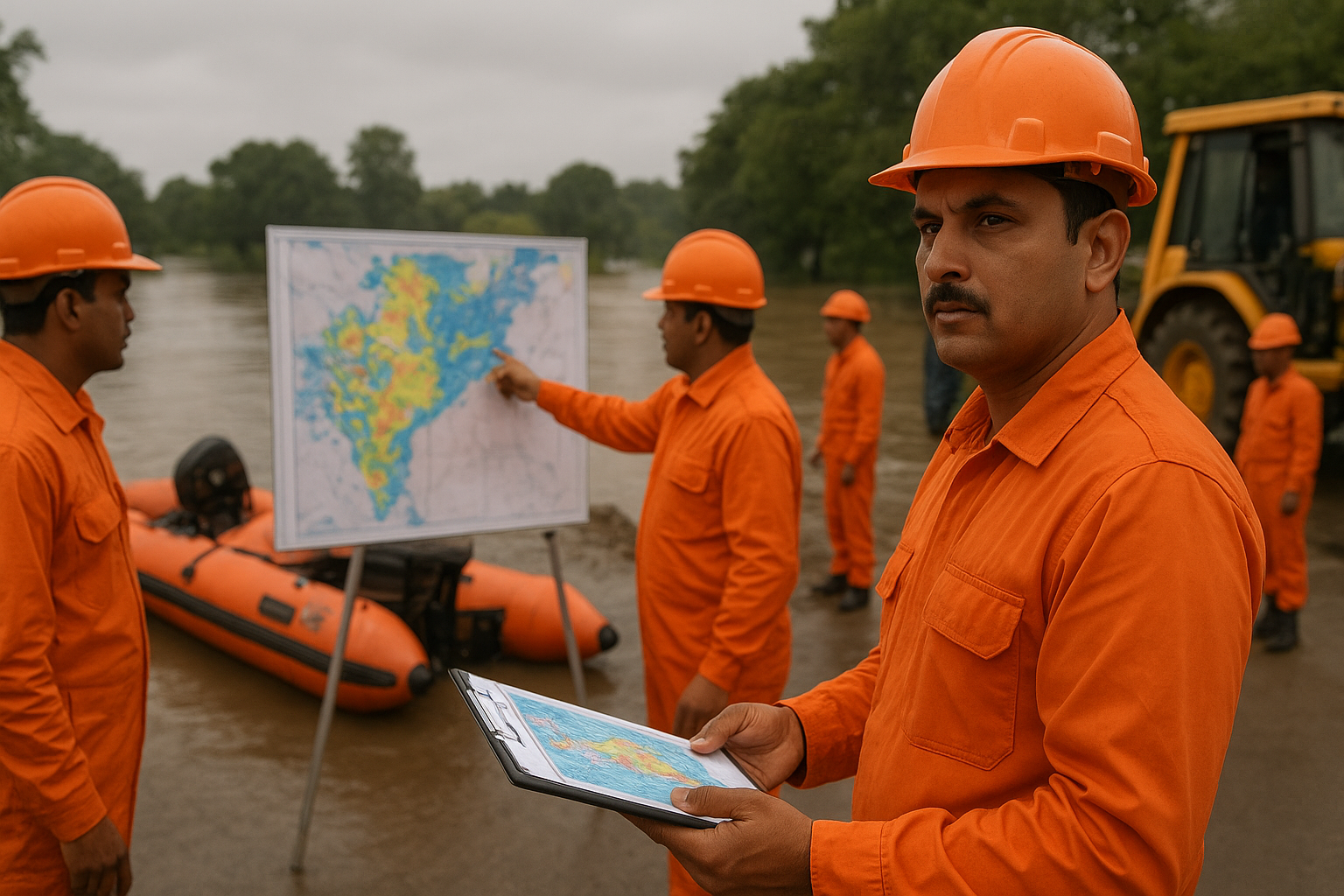
Several states across the country have intensified preparedness and response measures following official warnings of extreme weather conditions in the coming days. Meteorological agencies have forecast a combination of heavy rainfall, heatwaves, cold waves, strong winds, and possible flooding in different regions, prompting governments to act swiftly to minimise risks to life and property.
State disaster management authorities have placed emergency teams on high alert, with district administrations instructed to review contingency plans and ensure rapid response capabilities. Control rooms have been activated round the clock, while coordination with local bodies, health departments, power utilities, and water authorities has been strengthened. In vulnerable areas, evacuation plans are being updated, and relief shelters are being readied with essential supplies.
Public advisories have been issued urging residents to remain cautious, avoid unnecessary travel, and follow safety guidelines. Fishermen in coastal regions have been warned against venturing into rough seas, while farmers have been advised on crop protection measures to reduce potential losses. Urban local bodies are also inspecting drainage systems to prevent waterlogging during heavy downpours.
The central government continues to monitor the situation closely, offering logistical and financial support where required. National disaster response forces have been pre-positioned in high-risk zones to ensure quick deployment if conditions worsen.
Officials emphasise that early preparedness and public cooperation are key to reducing the impact of extreme weather events. As climate-related challenges become more frequent, authorities stress the importance of long-term resilience planning alongside immediate emergency measures.