

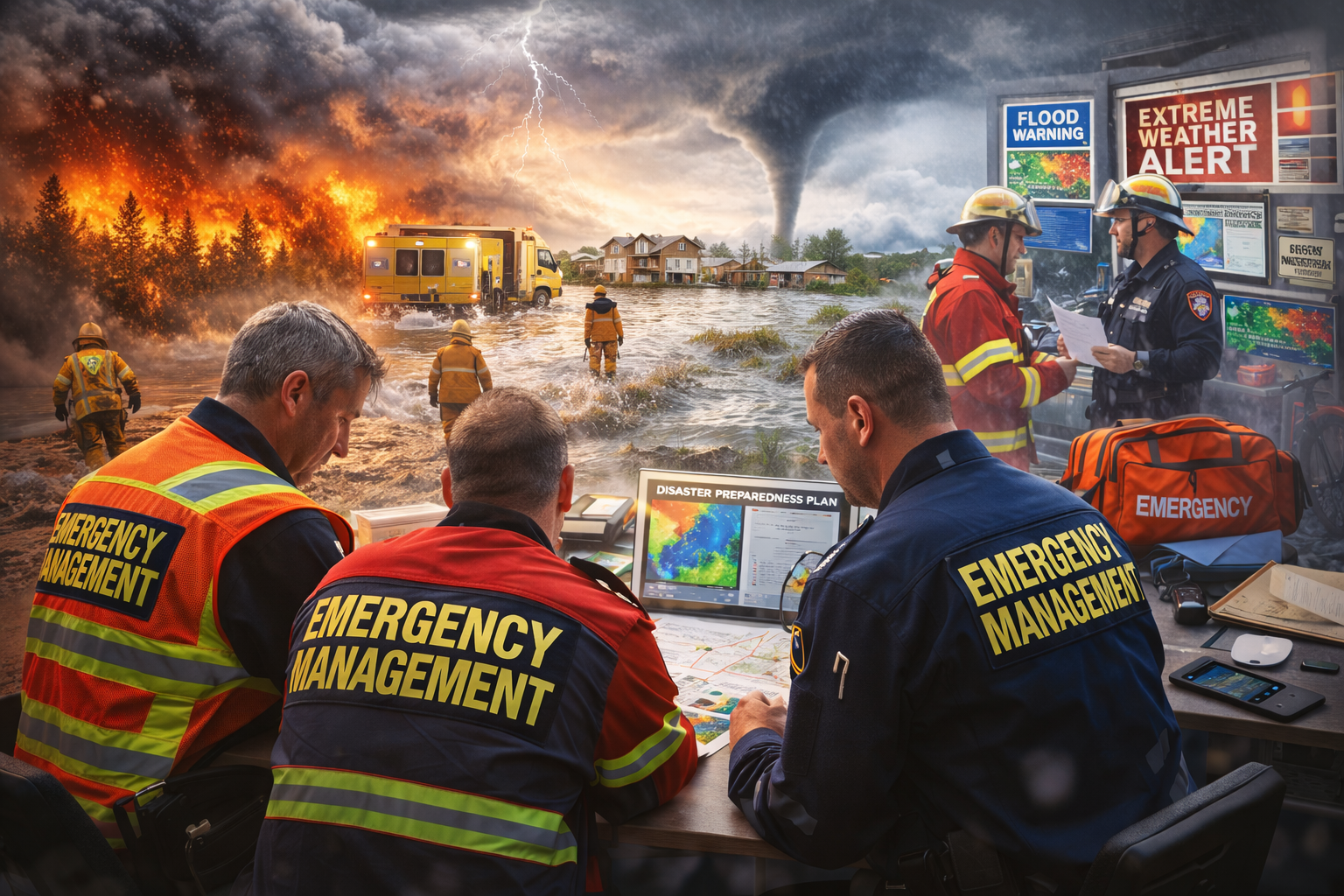
Several states across the country have begun comprehensive reviews of their disaster preparedness mechanisms in response to increasingly unpredictable weather conditions linked to climate change. With rising instances of unseasonal rainfall, prolonged heatwaves, sudden cold spells, floods, and cyclones, state governments are reassessing their readiness to protect lives, infrastructure, and livelihoods.
Officials from disaster management authorities have highlighted the need to update early warning systems, improve coordination between departments, and strengthen local response capabilities. Many states are focusing on enhancing real-time weather monitoring, expanding emergency communication networks, and conducting regular mock drills to ensure faster and more effective responses during emergencies. Special attention is being given to vulnerable regions, including coastal areas, flood-prone river basins, hilly terrains, and drought-affected districts.
In addition to emergency response, states are also prioritizing long-term resilience measures. These include upgrading drainage systems, reinforcing embankments, improving cyclone shelters, and promoting climate-resilient infrastructure in urban and rural areas. Training programs for local officials, community volunteers, and first responders are being scaled up to improve preparedness at the grassroots level.
Experts stress that proactive planning and timely investment are essential as extreme weather events become more frequent and intense. By reviewing and strengthening disaster preparedness strategies, states aim to minimize economic losses, reduce human casualties, and ensure quicker recovery in the face of evolving climate challenges.


- upgraderz.aws@gmail.com
- upgraderz.aws@gmail.com
- upgraderz.aws@gmail.com
- upgraderz.aws@gmail.com