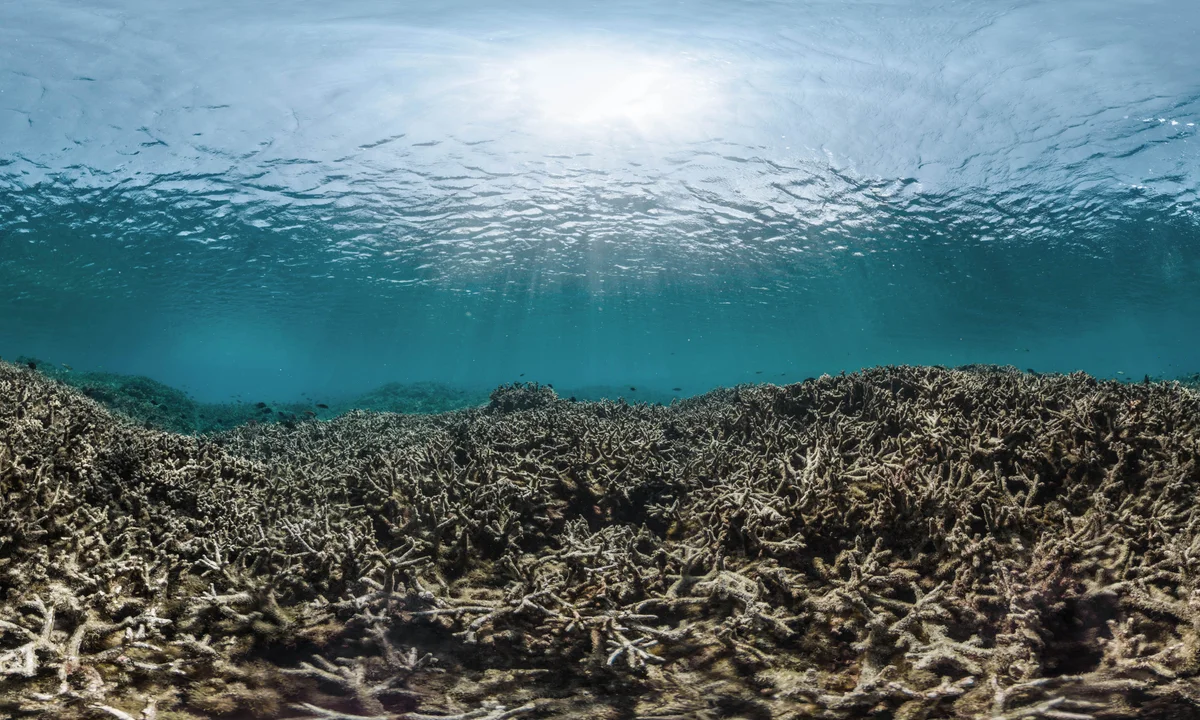
Scientists are raising alarm over the accelerating pace of ocean warming, warning that rising sea temperatures are disrupting marine food chains across multiple continents. New climate data show that several ocean regions have recorded prolonged heat anomalies, placing immense stress on plankton, coral reefs, and commercially important fish species.
Marine researchers explain that even slight temperature increases can affect phytoplankton — the microscopic organisms forming the base of the ocean food web. Changes in their abundance and seasonal cycles ripple upward, impacting fish populations, seabirds, and marine mammals. In tropical waters, repeated coral bleaching events are reducing reef habitats that support thousands of species.
Fisheries in parts of Asia, Africa, and the Americas are already reporting shifts in fish migration patterns, with some species moving toward cooler waters. Coastal communities that depend heavily on fishing are facing growing economic uncertainty as catch volumes fluctuate unpredictably.
Experts warn that if greenhouse gas emissions continue at current rates, ocean ecosystems may struggle to recover from repeated heat stress. They emphasize that urgent climate action, sustainable fisheries management, and expanded marine protected areas are essential to safeguard marine biodiversity and protect livelihoods linked to the world’s oceans. News as reported