

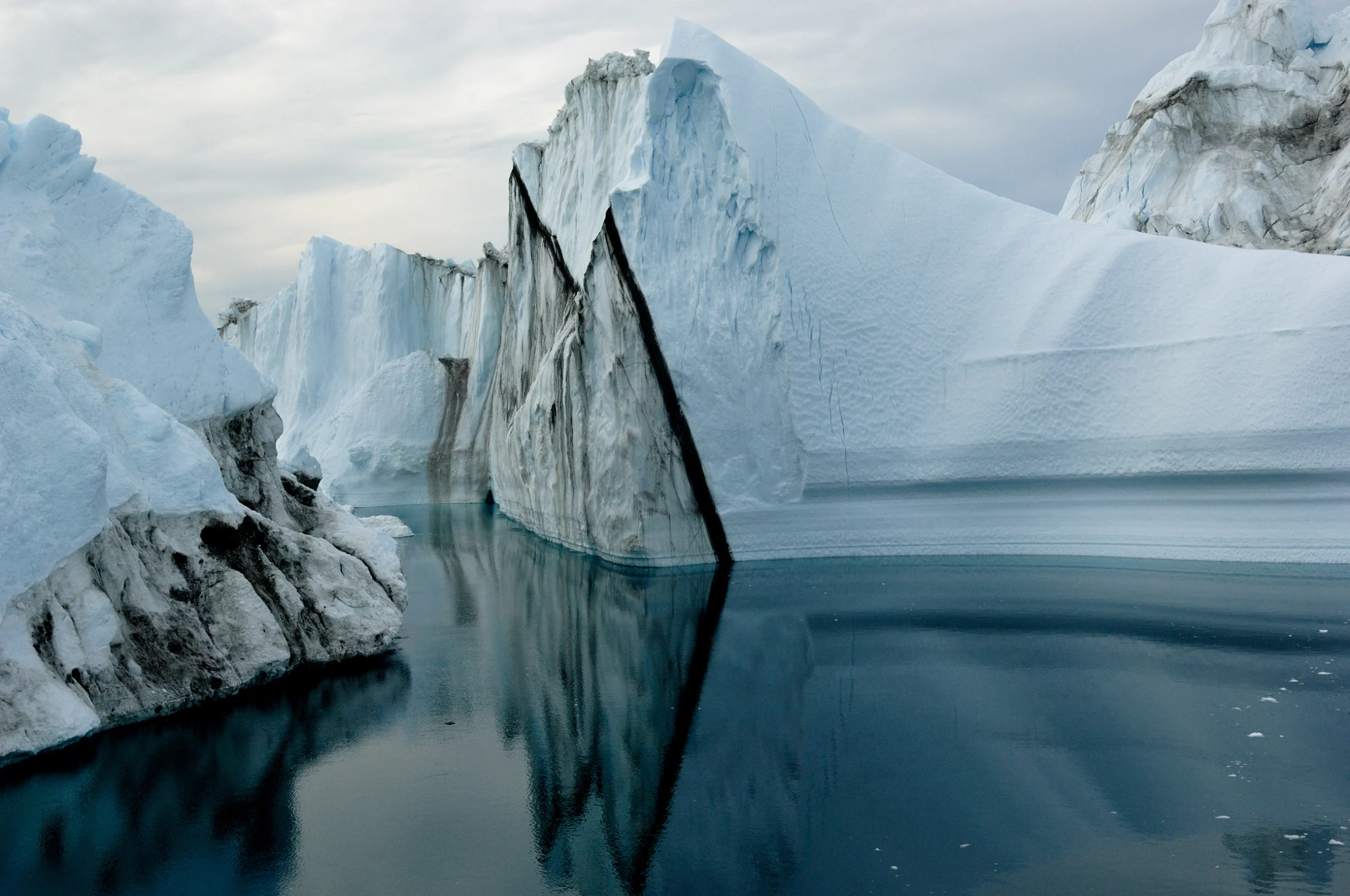
Scientists are raising growing concerns that the rapid melting of glaciers around the world could significantly accelerate global sea level rise, posing serious threats to coastal communities and ecosystems. Driven largely by rising global temperatures linked to climate change, glaciers in regions such as the Arctic, the Himalayas, and the Alps are losing ice at unprecedented rates.
Experts explain that when glaciers melt, the water flows into oceans, directly increasing sea levels. Current estimates show that melting glaciers contribute about 25–30 percent of the observed rise in global sea levels, making them one of the major drivers of coastal flooding.
Over the past century, global sea levels have already risen by about 8 to 9 inches (21–24 centimeters), and the rate of increase is accelerating due to glacier and ice sheet loss combined with warming ocean waters that expand in volume. Scientists warn that even small increases in sea level can significantly increase the risk of flooding and coastal erosion, particularly during storms and high tides.
Researchers also note that every millimeter of sea level rise exposes hundreds of thousands more people to potential flooding each year. Low-lying cities and island nations are considered especially vulnerable, with millions of residents facing displacement if current trends continue.
Scientists emphasize that reducing greenhouse gas emissions and strengthening climate adaptation strategies are essential to slow glacier melt and protect coastal regions from escalating environmental and economic damage. News as reported
