

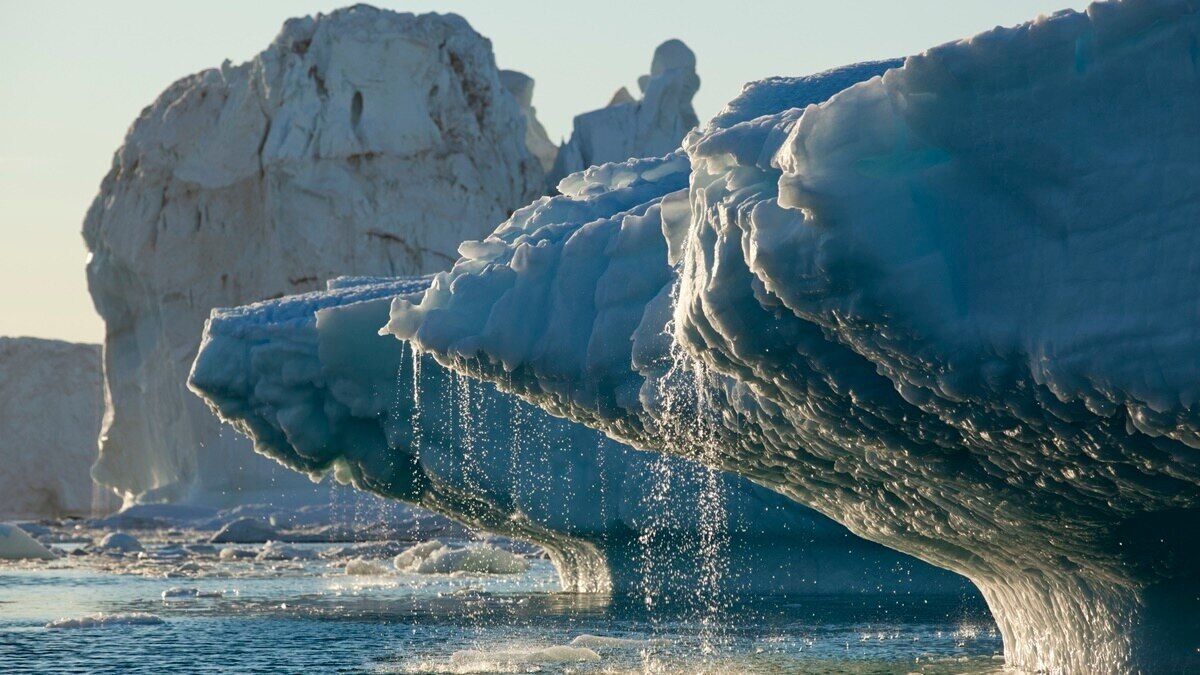
Scientists around the world are raising serious concerns over the rapid acceleration of glacier melt as global temperatures continue to climb. Recent studies show that glaciers in major mountain ranges, including the Himalayas, the Alps, and the Andes, are shrinking at unprecedented rates due to ongoing climate change. Researchers say rising greenhouse gas emissions are driving higher temperatures, causing ice masses that took centuries to form to disappear within decades.
The melting of glaciers is not only a visible sign of global warming but also poses significant risks to ecosystems and human communities. Glaciers act as natural freshwater reservoirs, supplying water to millions of people, particularly in Asia and South America. As these ice reserves shrink, regions that depend on seasonal glacier melt for drinking water, agriculture, and hydropower could face severe shortages in the future.
Scientists also warn that increased glacier melt contributes to rising sea levels and heightens the risk of glacial lake outburst floods, which can devastate downstream communities. In high mountain regions, unstable ice and rock formations are creating new hazards for both residents and infrastructure.
Experts emphasize that urgent global action is needed to reduce greenhouse gas emissions and slow the warming trend. Without strong climate policies and international cooperation, researchers warn that many of the world’s glaciers could disappear within this century, with far-reaching environmental and socio-economic consequences. News as reported
