

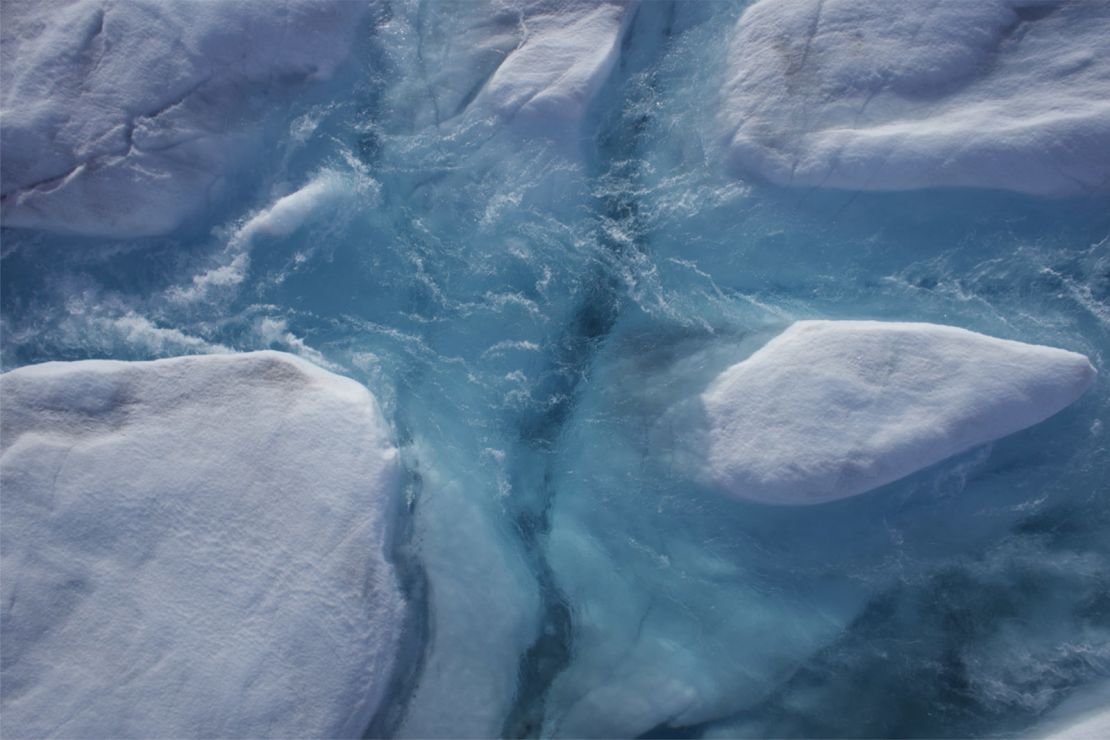
Scientists have revealed that a massive ice dome in Greenland disappeared around 7,000 years ago during a period when temperatures were similar to those projected for the end of this century, offering a stark warning about the future of polar ice in a warming world.
The findings come from new analyses of ice cores, sediment records, and climate models that reconstruct Greenland’s ancient climate. Researchers found that during the early Holocene period, modest but sustained warming caused a large ice dome in northern Greenland to completely collapse. Importantly, global temperatures at the time were only slightly warmer than today and comparable to levels expected by 2100 under current emissions trends.
Scientists say the discovery challenges assumptions that Greenland’s ice sheet is more resilient to warming. While the ancient ice loss unfolded over centuries, researchers warn that modern warming is happening far faster, raising concerns that ice melt could accelerate beyond previous expectations.
The loss of Greenland ice has major implications for global sea levels. Even partial melting could contribute significantly to coastal flooding worldwide. The study highlights that Greenland’s ice sheet may be closer to critical tipping points than previously believed.
Researchers stress that the past provides a powerful warning: temperatures humans are rapidly approaching have already been sufficient to erase large portions of Greenland’s ice, underscoring the urgency of reducing greenhouse gas emissions.

- upgraderz.aws@gmail.com
- upgraderz.aws@gmail.com
- upgraderz.aws@gmail.com
- upgraderz.aws@gmail.com