

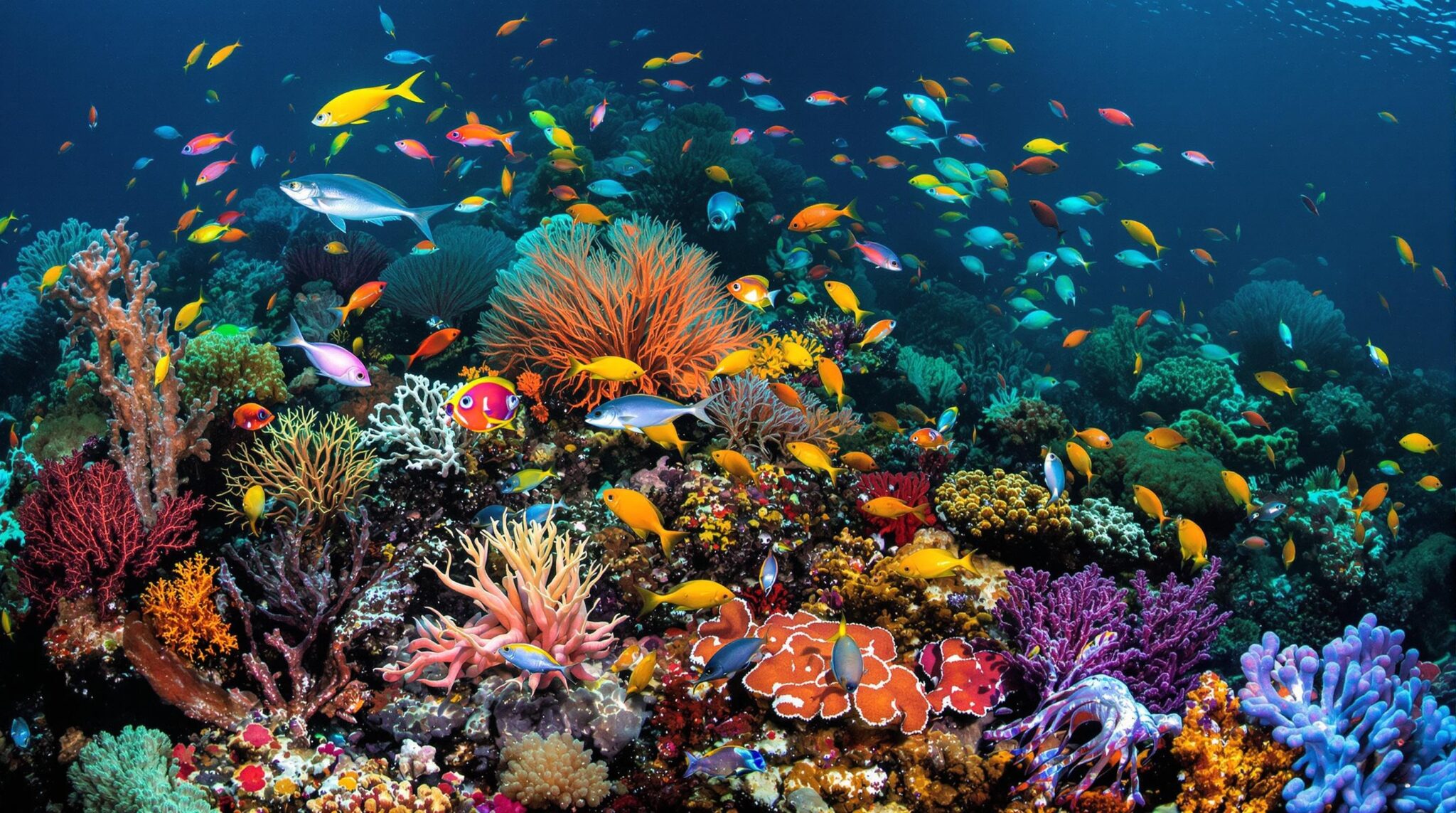
Scientists have reported significant new discoveries in deep-sea ecosystems, shedding light on the remarkable biodiversity that exists in some of the most remote and least explored regions of the planet. Recent expeditions conducted by international research teams have revealed previously unknown species and complex habitats thriving thousands of meters below the ocean surface.
Using advanced submersibles and remotely operated vehicles, researchers explored deep-sea trenches and hydrothermal vent systems in areas of the Pacific Ocean and Indian Ocean. These missions uncovered new species of corals, crustaceans, and bioluminescent organisms, many of which have adapted to extreme pressure, darkness, and low temperatures.
Marine biologists from organizations such as the National Oceanic and Atmospheric Administration and the Woods Hole Oceanographic Institution emphasized that these findings highlight how little is known about deep-ocean life. Scientists believe that the deep sea may hold millions of undiscovered species, as well as unique genetic resources that could have applications in medicine and biotechnology.
The discoveries also raise concerns about the potential impact of deep-sea mining and climate change on these fragile ecosystems. Experts warn that without proper regulations and conservation measures, human activities could threaten habitats that have taken millions of years to evolve.
Researchers say continued exploration and international cooperation will be essential to better understand and protect the vast biodiversity hidden beneath the ocean’s depths. News as reported
