

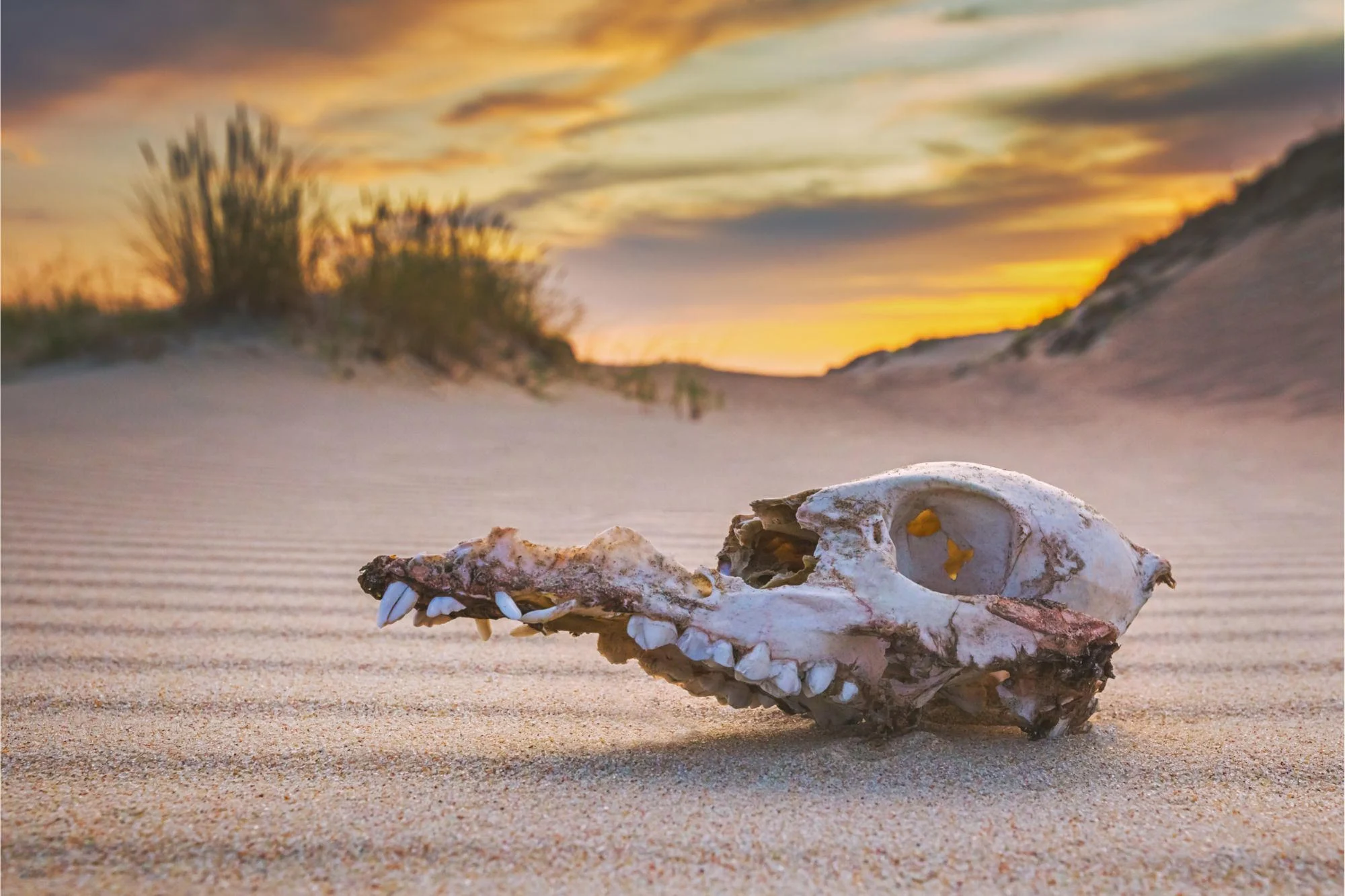
Scientists have reported a continued and alarming decline in global biodiversity, raising concerns about the accelerating risk of species extinction worldwide. According to recent studies, habitat destruction, climate change, pollution, and overexploitation of natural resources are driving unprecedented losses in plant and animal populations across ecosystems.
Forests, wetlands, and coral reefs—home to a vast range of species—are being rapidly degraded or destroyed due to human activities such as deforestation, urban expansion, and industrial development. Climate change is further intensifying the crisis, altering habitats and forcing many species to migrate, adapt, or face extinction.
Experts warn that biodiversity loss not only threatens wildlife but also disrupts essential ecosystem services, including food production, water purification, and climate regulation. The decline in pollinators, for example, poses serious risks to global agriculture and food security.
Scientists are urging governments and organizations to take immediate action by strengthening conservation efforts, protecting critical habitats, and reducing greenhouse gas emissions. International cooperation and sustainable development strategies are seen as crucial to reversing current trends.
Without urgent intervention, researchers caution that the world could face a mass extinction event, with far-reaching consequences for both nature and humanity. News as reported
