

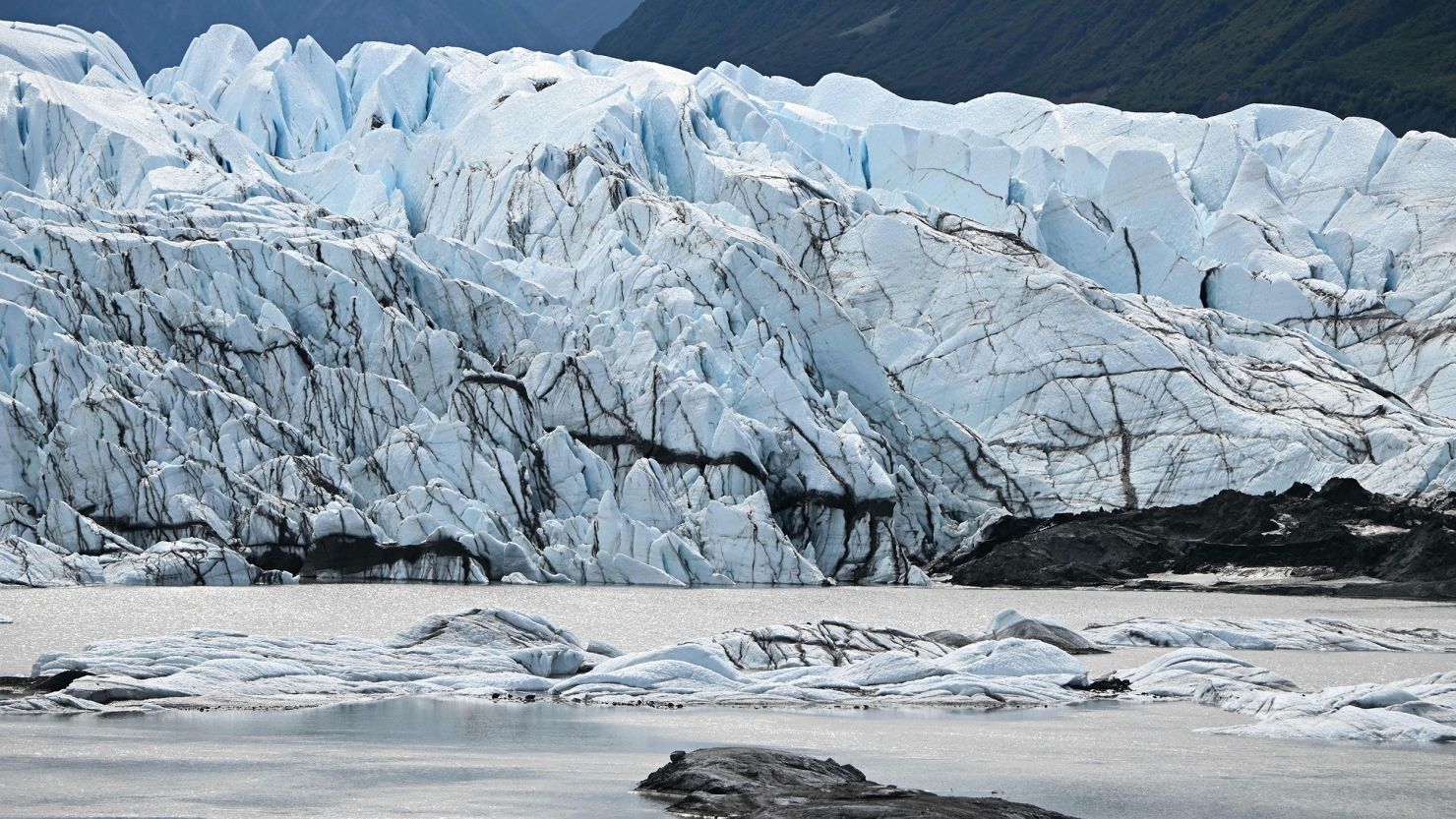
Scientists have raised serious concerns over the rapid acceleration of glacier melt across the world, warning of significant threats to future water security, particularly in Asia’s major river basins. Recent studies show that glaciers in the Hindu Kush–Himalayan region are melting at nearly twice the rate recorded before 2000, highlighting the intensifying impact of climate change.
Often referred to as the “water towers of Asia,” these glaciers feed some of the continent’s largest rivers, including the Ganges, Indus, and Brahmaputra, supporting nearly two billion people downstream. However, sustained ice loss is reducing the long-term availability of freshwater, even as short-term melt increases river flow and flood risks.
Satellite-based research also indicates a continuous decline in glacier mass over recent decades, with scientists warning that shrinking ice reserves could disrupt agriculture, hydropower generation, and drinking water supplies.
Experts caution that while melting glaciers may temporarily boost water flow, the eventual depletion of ice reserves could lead to severe water shortages, especially during dry seasons. Additionally, the formation of unstable glacial lakes is increasing the risk of sudden and destructive floods in mountain regions.
With global temperatures continuing to rise, researchers emphasize the urgent need for climate mitigation, improved monitoring, and regional cooperation to safeguard water resources. Without immediate action, glacier retreat could trigger widespread environmental and socio-economic challenges in the coming decades. News as reported
