

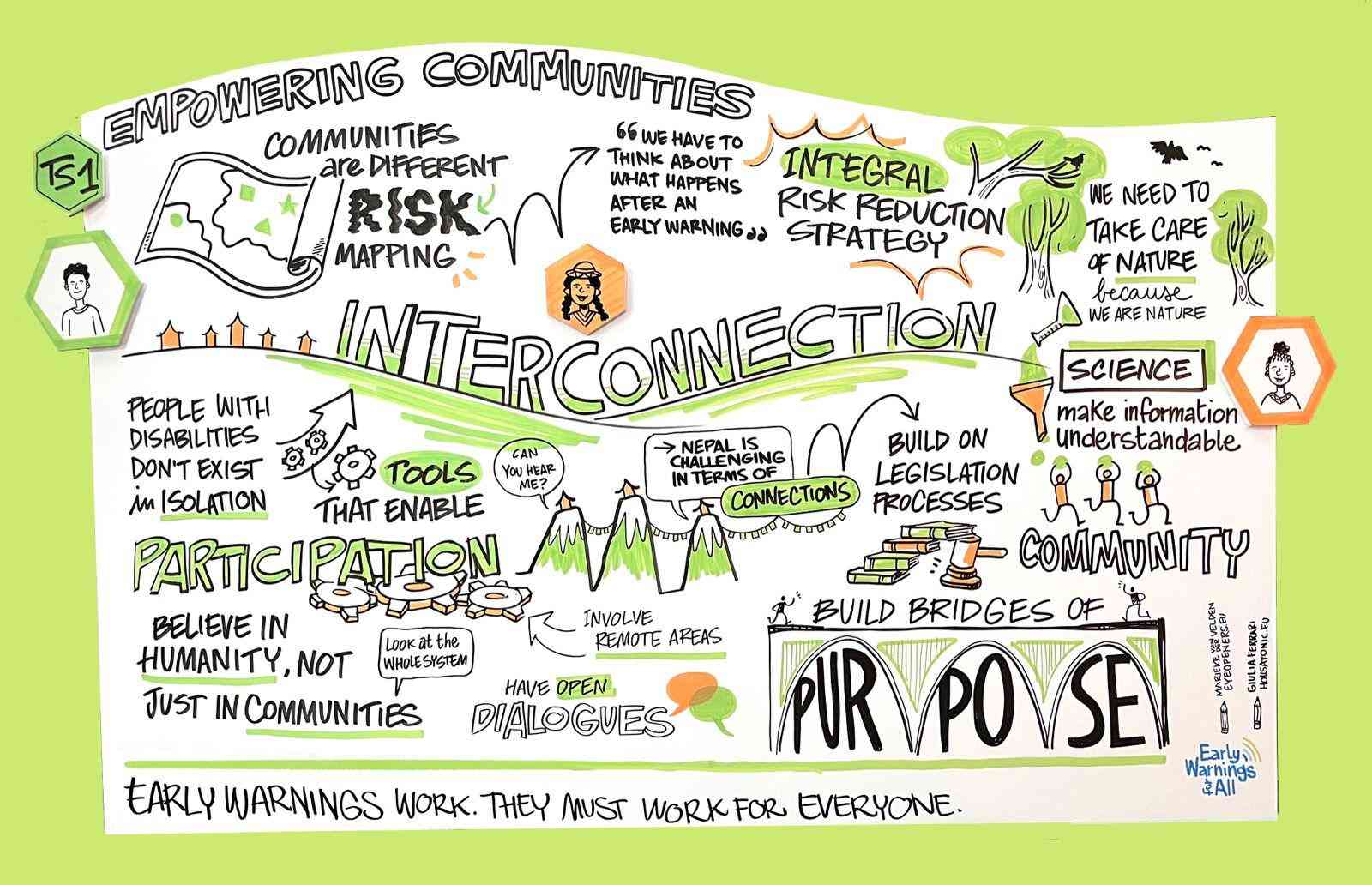
International scientific cooperation is gaining momentum as researchers and institutions from around the world work to enhance early-warning systems for natural disasters in the face of increasing climate risks. At the centre of these efforts is the Global Early Warnings for All initiative, a multi-stakeholder forum co-led by the United Nations Office for Disaster Risk Reduction (UNDRR) and the World Meteorological Organization (WMO), which brings together governments, scientists, local communities, and private partners to close gaps in early-warning coverage worldwide.
The International Network for Multi-Hazard Early Warning Systems (IN-MHEWS), a collaborative platform coordinated by UN agencies and disaster-risk experts, continues to facilitate knowledge sharing and capacity building on multi-hazard preparedness and real-time risk monitoring across continents. Scientists at recent workshops and training programs—including a tsunami-warning preparedness course in Hawaii involving officials from more than 20 countries—emphasized the importance of shared data, interoperable technologies, and joint research on emerging threats to improve predictive models and communication chains.
Experts also highlighted the role of innovative approaches, including artificial intelligence and satellite data, to enhance forecasting accuracy and speed up warning dissemination to vulnerable populations. Diverse partnerships between meteorological services, academic institutions, and humanitarian organisations aim to ensure that advanced warning systems are both technically robust and community-centred.
These cross-border collaborations seek not only to strengthen scientific models and monitoring networks but also to empower local authorities and communities with actionable information—ultimately saving lives and boosting resilience as natural hazards intensify, news as reported.


- upgraderz.aws@gmail.com
- upgraderz.aws@gmail.com
- upgraderz.aws@gmail.com
- upgraderz.aws@gmail.com