

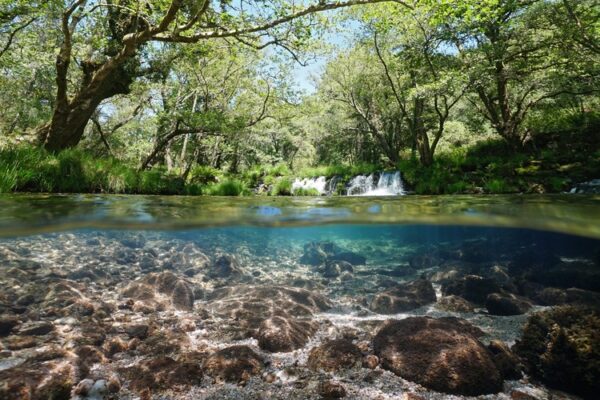
Scientists worldwide are raising alarms over the growing threats to freshwater resources, warning that immediate action is needed to prevent severe water shortages and ecological damage. Rivers, lakes, wetlands, and underground aquifers are under increasing pressure from climate change, pollution, and overuse, putting both human communities and natural ecosystems at risk.
Rising temperatures and shifting rainfall patterns are altering water availability, leading to more frequent droughts and floods. At the same time, rapid urbanization, industrial discharge, and agricultural runoff are contaminating vital water sources. Experts note that freshwater ecosystems support biodiversity, food production, and drinking water supplies for billions of people, making their protection a global priority.
In response, scientists are calling for stronger water management policies, improved wastewater treatment, and greater investment in conservation efforts. Sustainable farming practices, efficient irrigation systems, and the protection of wetlands are seen as key strategies to reduce water stress.
International cooperation and public awareness are also crucial. Researchers emphasize that safeguarding freshwater resources requires coordinated action across borders and sectors. Without decisive measures, scientists warn that water scarcity could intensify social, economic, and environmental challenges in the years ahead, underscoring the urgency of protecting one of the planet’s most essential resources.
