

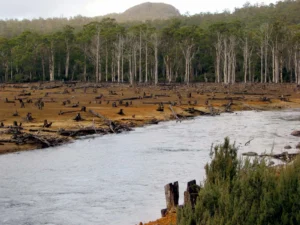
Scientists are raising urgent alarms over a global biodiversity crisis driven by multiple human-induced pressures. Research indicates that climate change, habitat destruction, pollution, and the spread of invasive species are acting together to accelerate species decline at unprecedented rates. Experts warn that if current trends continue, up to one million species could face extinction worldwide, fundamentally disrupting ecosystems and the services they provide to humanity.
The loss of biodiversity threatens critical ecosystem functions, including pollination, water purification, carbon sequestration, and soil fertility. Habitats such as forests, wetlands, coral reefs, and grasslands are being fragmented or degraded, leaving countless species vulnerable. Meanwhile, climate change alters temperature and precipitation patterns, stressing wildlife and forcing migrations, while invasive species outcompete native organisms. Pollution from plastics, chemicals, and untreated waste further compounds these pressures, creating hostile environments for survival.
The consequences extend beyond ecological imbalance: human communities face risks to food security, livelihoods, and resilience against natural disasters. Conservationists stress the urgent need for global action, including habitat restoration, stronger environmental policies, sustainable land use, and coordinated international efforts to mitigate climate change and control invasive species. Without swift intervention, the accelerating extinction crisis could irreversibly damage Earth’s ecosystems, threatening the very foundation of life on the planet.
