

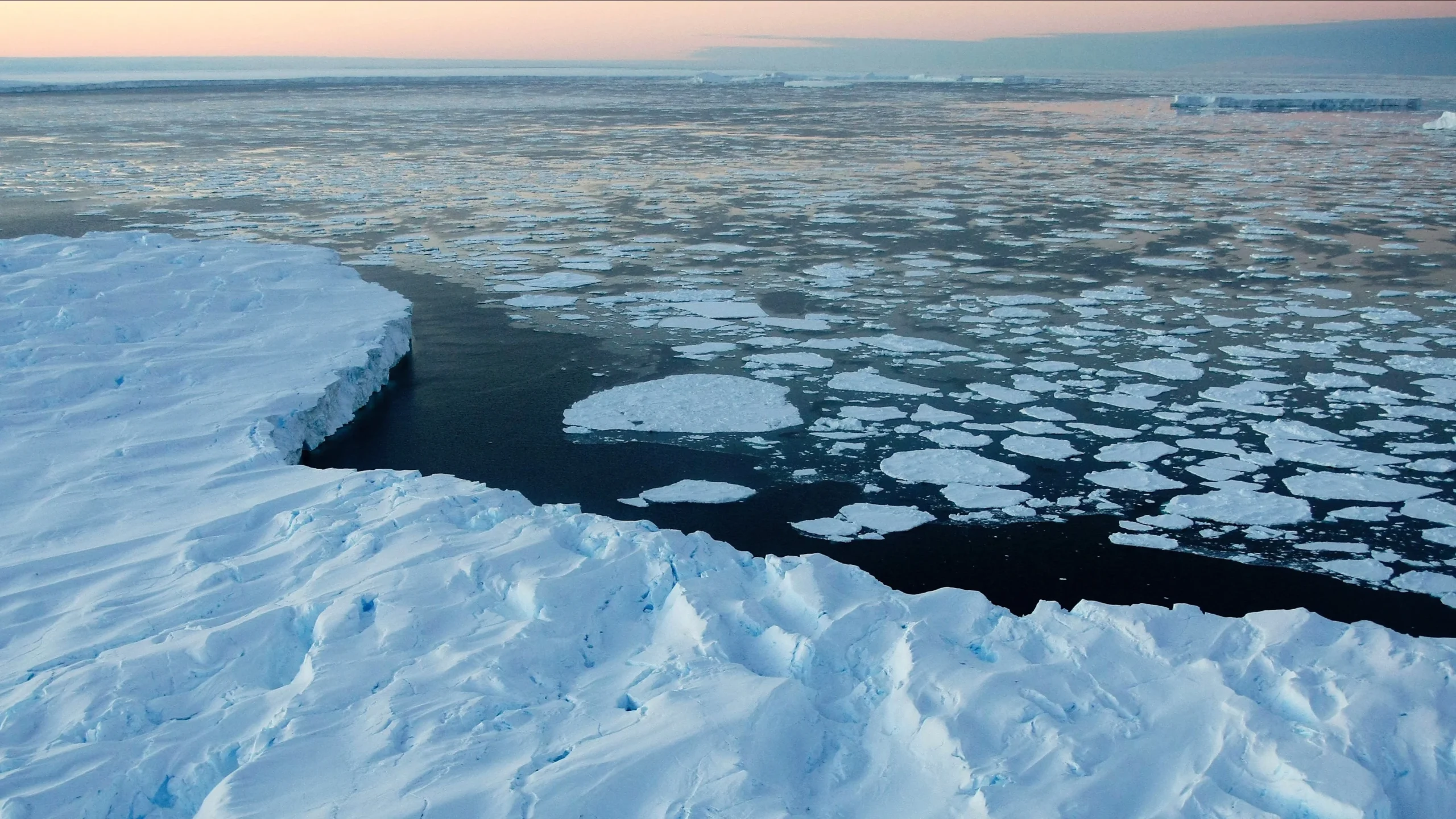
Scientists monitoring the frozen waters of the North have confirmed that Arctic sea ice reached record-low levels for February this year, deepening concerns about rapid climate change. Satellite data compiled by climate researchers show that the extent of sea ice — the area of ocean covered by at least 15 % ice — was significantly below the long-term average for this time of year, continuing a decades-long downward trend linked to rising global temperatures.
According to the European Copernicus Climate Change Service, Arctic sea ice reached its lowest February extent on record, with levels failing to rebound as expected during the cold season and remaining far below historical norms. This contributes to a broader climate pattern in which polar regions are warming much faster than the global average, accelerating ice loss and altering ocean-atmosphere systems.
Loss of sea ice has implications beyond the Arctic: it reduces Earth’s natural ability to reflect sunlight, further amplifying warming, and disrupts ecosystems that depend on stable ice cover. Indigenous communities, marine life, and global weather patterns are all affected by these changes. Climate scientists warn that if current warming continues, future winters may see even thinner and less extensive Arctic ice, with knock-on effects for global climate stability.
News as reported

- upgraderz.aws@gmail.com
- upgraderz.aws@gmail.com
- upgraderz.aws@gmail.com
- upgraderz.aws@gmail.com