

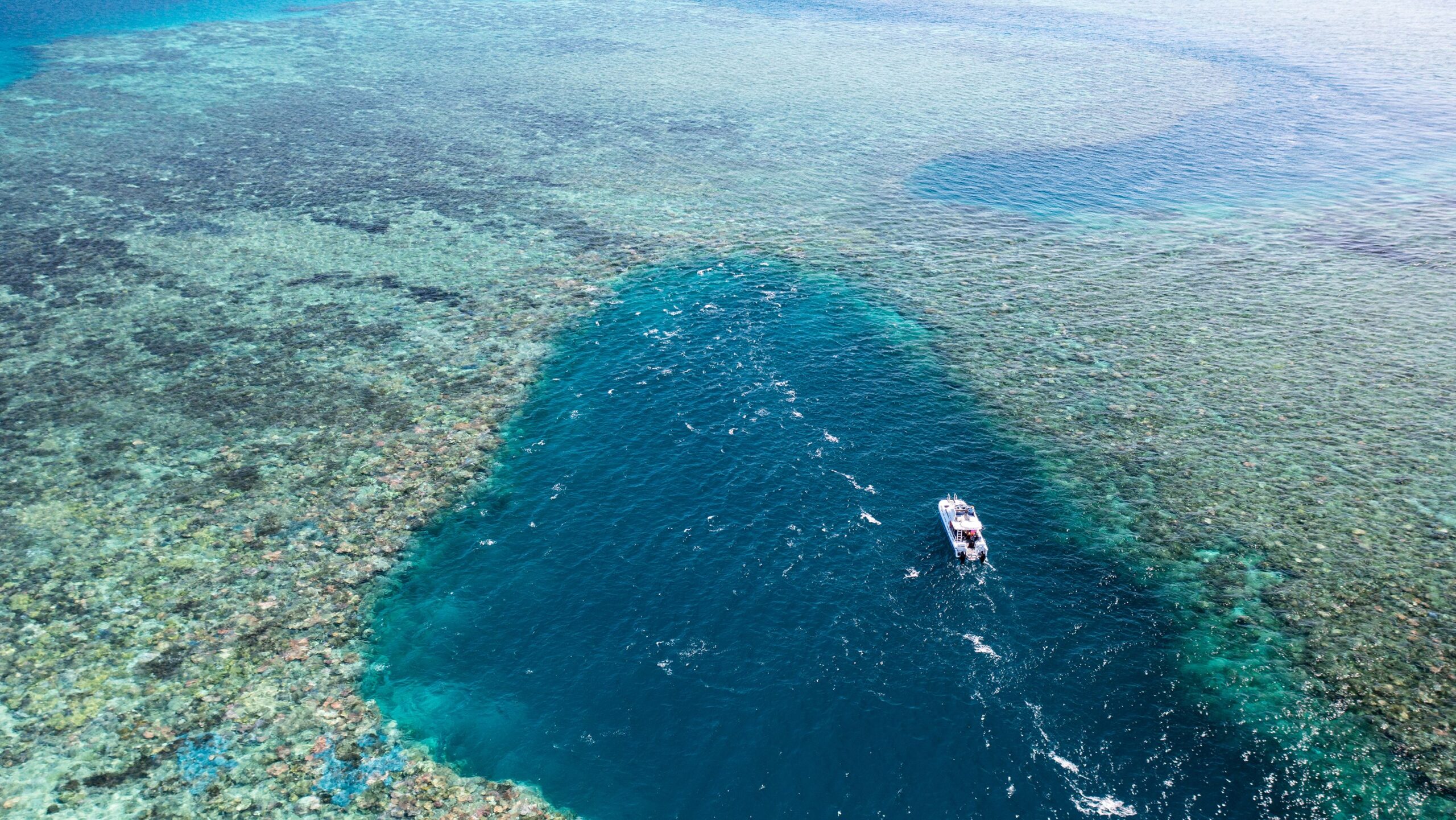

Rising ocean temperatures are increasingly threatening the survival of coral reefs around the world, alarming scientists, conservationists, and coastal communities. Coral reefs, often described as the “rainforests of the sea,” support nearly a quarter of all marine species and provide food, income, and coastal protection for millions of people.
As global temperatures rise, oceans absorb much of the excess heat, leading to prolonged marine heatwaves. These conditions cause coral bleaching, a process in which corals expel the colorful algae that live within them and provide essential nutrients. Without these algae, corals become weakened, lose their vibrant color, and face a much higher risk of disease and death.
Recent years have seen widespread bleaching events across major reef systems, including the Great Barrier Reef, reefs in the Caribbean, and parts of the Indian and Pacific Oceans. Scientists warn that if ocean warming continues at its current pace, many coral reefs could struggle to recover between bleaching events, leading to long-term ecosystem collapse.
The loss of coral reefs would have serious consequences beyond marine life. Coastal regions could face increased erosion and storm damage, while fisheries and tourism industries may suffer significant economic losses.
Experts emphasize that reducing greenhouse gas emissions is critical to slowing ocean warming. At the same time, local conservation efforts, such as reducing pollution and overfishing, can help strengthen reef resilience and improve their chances of survival in a changing climate.

- upgraderz.aws@gmail.com
- upgraderz.aws@gmail.com
- upgraderz.aws@gmail.com
- upgraderz.aws@gmail.com