

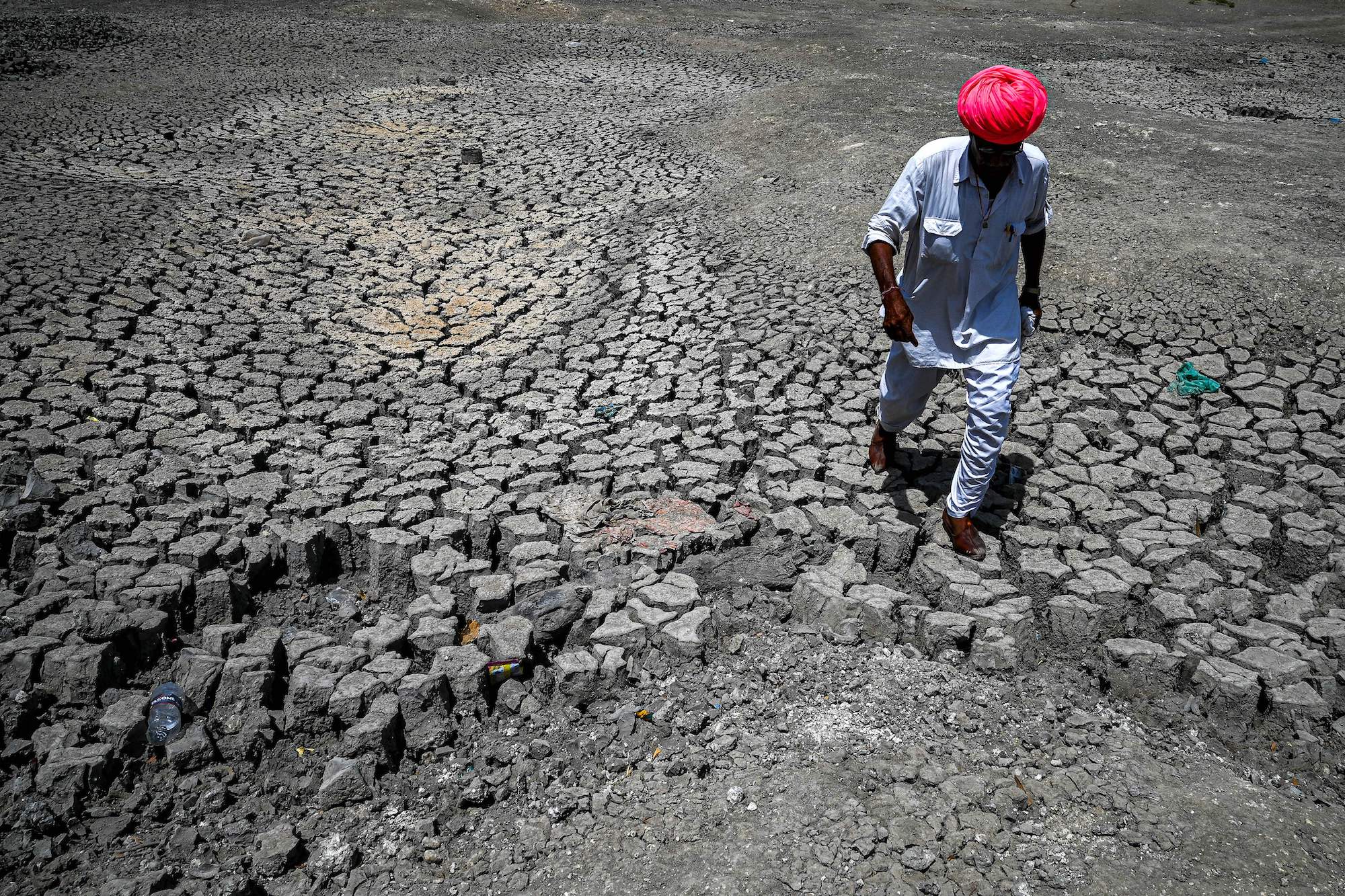
A new scientific study finds that heatwaves in India are becoming more frequent, intense and widespread, with climate change and the El Niño–Southern Oscillation (ENSO) both playing significant roles in shifting and expanding heatwave hotspots across the country. Researchers analysed daily maximum temperature records from 1981 to 2020 and found that India’s average summer temperatures have risen by about 1.0 °C, largely driven by human-induced global warming. During periods influenced by El Niño events, temperature increases were even higher, amplifying heatwave conditions above historical norms.
The study introduced a Heatwave Hotspot Index to map the most vulnerable areas, showing that the spatial extent of extreme heat zones has grown by about 1.5 times between 1981–2000 and 2001–2020. Central plains, western India, the southeastern coast and the Indo-Gangetic Plains emerged as the most at-risk regions for heat stress under current climate conditions.
Scientists warn that ENSO phases like El Niño can exacerbate heatwaves by increasing temperatures and reducing rainfall, while long-term warming trends driven by greenhouse gas emissions are expanding the duration and reach of heat extremes nationwide. These changes pose rising health risks, especially for vulnerable populations, and underscore the urgency of climate adaptation measures. News as reported
