

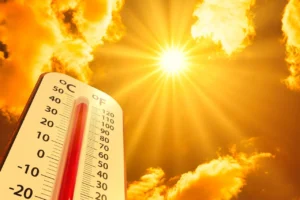
As temperatures continue to climb across multiple regions, governments and local authorities are expanding heatwave preparedness plans to protect public health, infrastructure, and essential services. Meteorological agencies report longer and more intense periods of extreme heat, increasing risks for vulnerable populations such as older adults, young children, outdoor workers, and people with existing health conditions.
In response, many regions are strengthening early-warning systems, opening cooling centers, and extending public health advisories. Hospitals and emergency services are adjusting staffing plans to prepare for a potential rise in heat-related illnesses, while schools and workplaces are revising schedules to limit outdoor activities during peak heat hours.
Utility providers are also taking precautions, reinforcing power grids to handle increased electricity demand from cooling systems and encouraging energy conservation during high-use periods. At the community level, outreach programs are focusing on hydration awareness, heat-safe practices, and neighbor check-ins during extreme conditions.
Officials emphasize that preparedness is no longer a seasonal measure but an ongoing priority, as climate patterns continue to shift. Long-term strategies, including urban cooling projects, expanded green spaces, and updated building standards, are increasingly viewed as essential to reducing future heat risks.
