

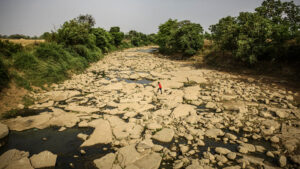
Rising global temperatures are increasingly disrupting traditional weather patterns, leading to unseasonal and extreme conditions across multiple continents. Scientists report that climate change is intensifying heatwaves, altering rainfall cycles, and causing weather events to occur at unexpected times of the year.
In parts of Europe and North America, warmer winters have reduced snowfall, while sudden cold snaps have damaged crops unprepared for freezing temperatures. Meanwhile, regions in South Asia and Africa are experiencing erratic monsoon seasons, with delayed rains followed by intense downpours that increase the risk of flooding and landslides.
South America has seen prolonged droughts affecting agriculture and water supplies, while Australia continues to face unseasonal heat and bushfire risks outside its typical fire season. These shifts are linked to warming oceans and changing atmospheric circulation, which disrupt long-established climate systems.
Experts warn that unseasonal weather poses serious challenges to food security, public health, and infrastructure. Farmers struggle to adapt planting schedules, cities face increased strain from heat and storms, and vulnerable communities are often the hardest hit.
Climate scientists emphasize that reducing greenhouse gas emissions and investing in climate-resilient infrastructure are critical steps to limit future impacts. As global temperatures continue to rise, unseasonal weather patterns are expected to become more frequent and severe, underscoring the urgency of coordinated global action.
