

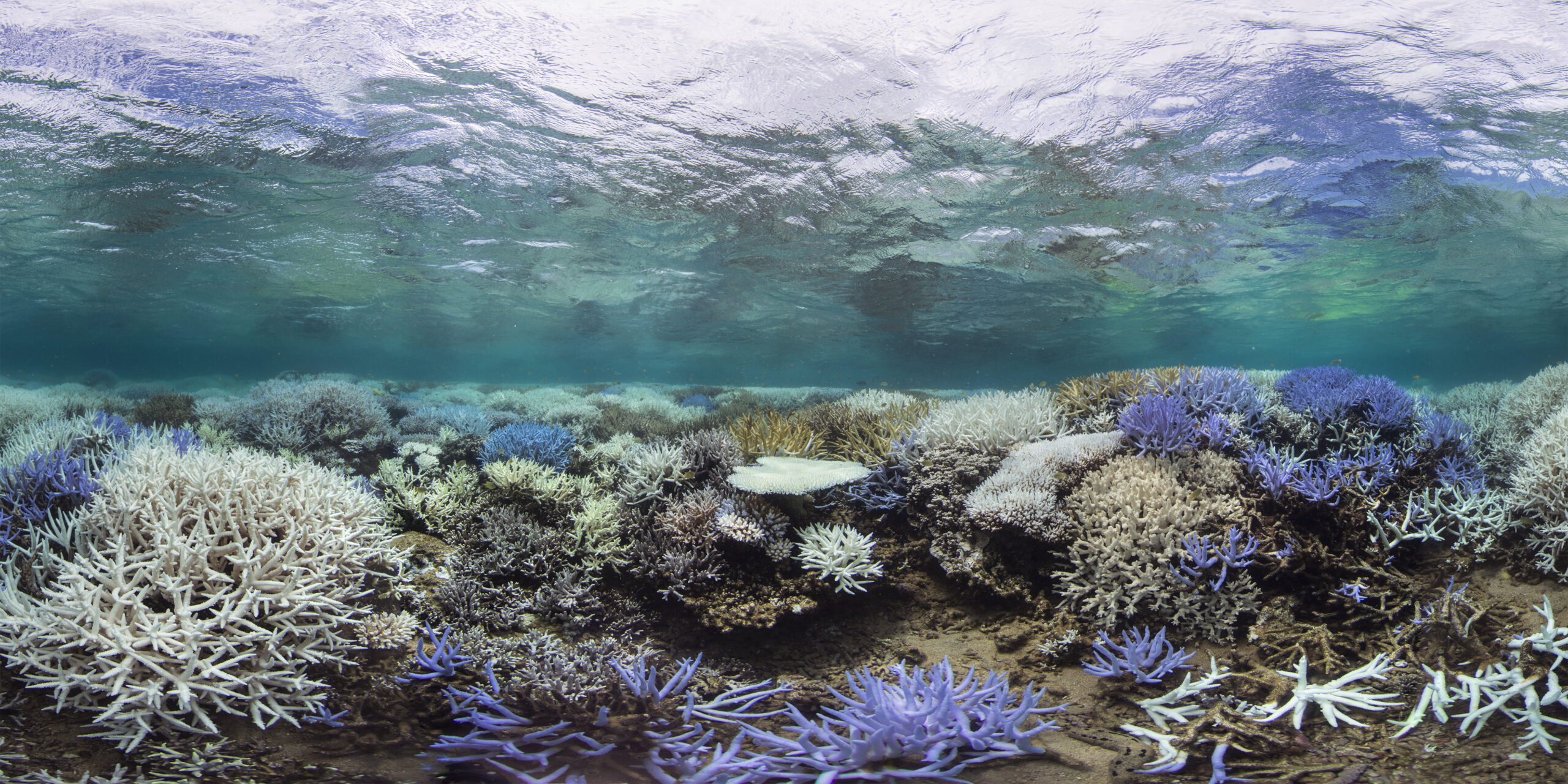
Marine scientists are warning that rising ocean temperatures are causing a sharp increase in coral reef bleaching events across the world’s oceans. Coral reefs, often called the “rainforests of the sea,” are highly sensitive to changes in water temperature, and even small increases can place significant stress on these fragile ecosystems.
Researchers explain that coral bleaching occurs when corals become stressed due to warmer waters and expel the microscopic algae, known as zooxanthellae, that live within their tissues. These algae provide corals with food and give them their vibrant colors. When the algae are expelled, the corals turn white and become weaker, making them more vulnerable to disease and death if stressful conditions persist.
Recent studies show that global ocean temperatures have reached record highs in recent years, increasing the frequency and severity of bleaching events. Major reef systems in regions such as the Pacific Ocean, the Indian Ocean, and the Caribbean have experienced repeated bleaching episodes, threatening marine biodiversity and the livelihoods of millions of people who depend on reef ecosystems.
Scientists warn that continued warming could result in the loss of a large percentage of the world’s coral reefs by the end of the century if greenhouse gas emissions are not significantly reduced. Coral reefs support around a quarter of all marine species and play a crucial role in coastal protection and fisheries.
Researchers emphasize that urgent climate action, along with stronger marine conservation efforts, is essential to protect coral reefs and preserve ocean biodiversity for future generations. News as reported