

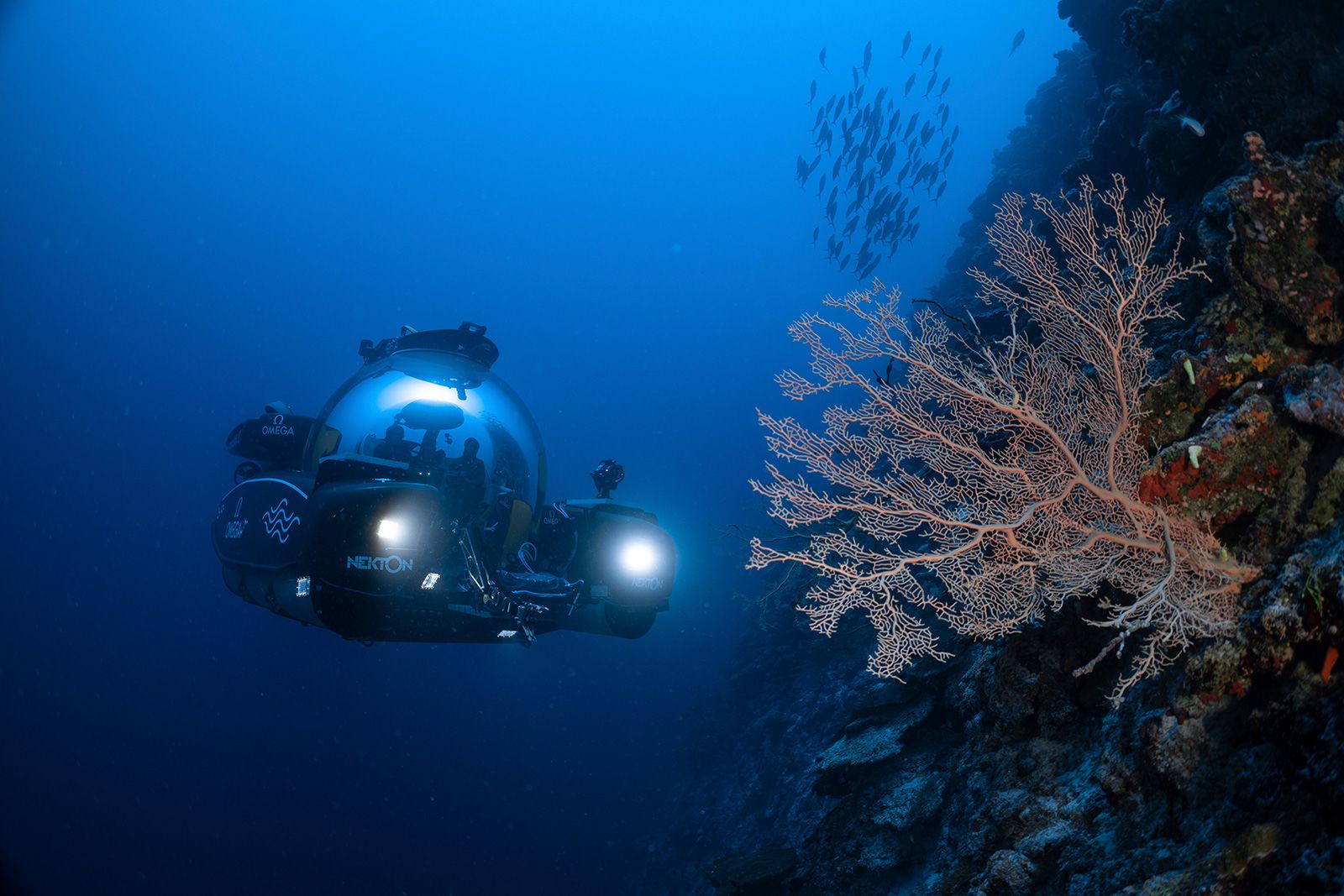
Scientists have discovered several previously unknown marine species during a recent deep-sea exploration mission, highlighting how much of the ocean remains unexplored. The expedition, carried out by an international team of marine researchers, used advanced remotely operated vehicles (ROVs) and deep-sea cameras to study ecosystems thousands of meters below the ocean surface.
During the mission, researchers observed unusual organisms living in extreme conditions where sunlight cannot penetrate. Among the discoveries were unique species of sea sponges, soft corals, crustaceans, and bioluminescent creatures that produce their own light to survive in the dark depths of the ocean. Scientists believe many of these organisms may represent entirely new species previously unknown to science.
The discovery provides valuable insights into deep-sea biodiversity and the complex ecosystems that exist on the ocean floor. Researchers say studying these species could help improve understanding of marine evolution, climate processes, and the role deep-sea ecosystems play in maintaining global ocean health.
Scientists also emphasized that many deep-sea habitats are increasingly threatened by human activities such as deep-sea mining, pollution, and climate change. Protecting these fragile ecosystems has become a growing priority for the global scientific community.
Experts say continued exploration of the deep ocean is essential, as it may reveal new species, potential medical resources, and critical information about how marine ecosystems respond to environmental change. News as reported
