

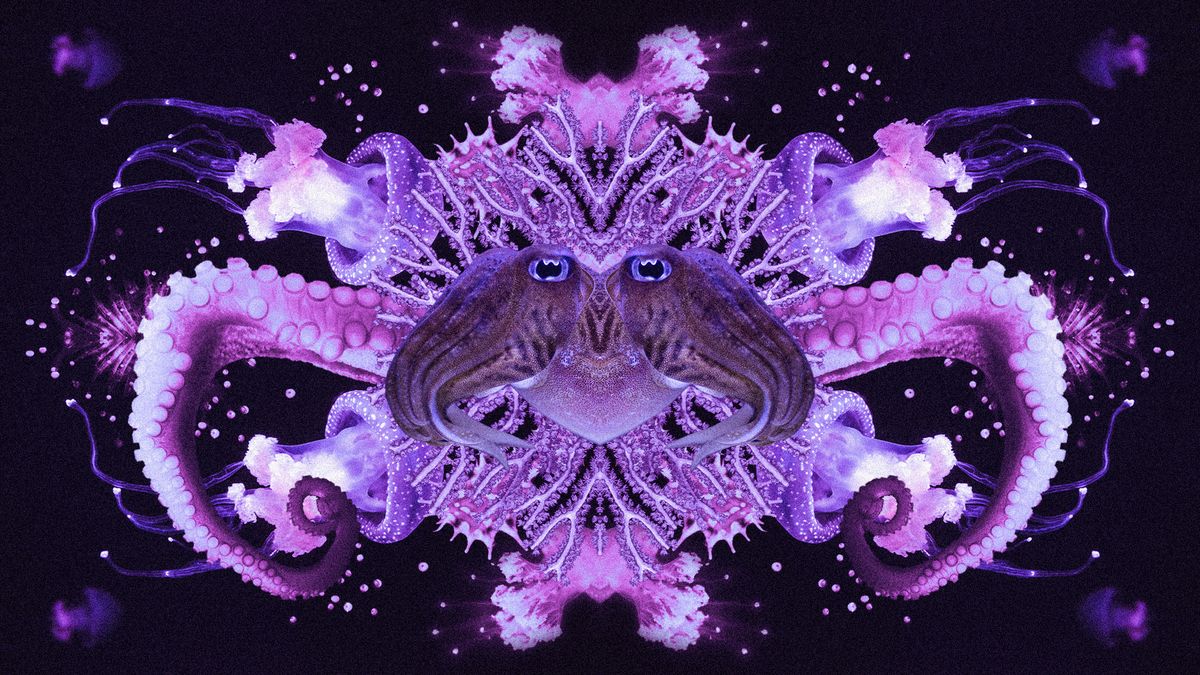
Scientists have discovered several previously unknown deep-sea species during a recent ocean exploration mission in the Pacific Ocean, highlighting how much of the world’s oceans remain unexplored. The discoveries were made during a research expedition using remotely operated underwater vehicles (ROVs) capable of reaching depths of several thousand meters.
Marine researchers reported observing unusual organisms including bioluminescent invertebrates, deep-sea corals, and rare species of crustaceans and jellyfish that had never been documented before. These organisms live in extreme environments characterized by high pressure, near-freezing temperatures, and complete darkness.
The expedition was carried out with advanced underwater imaging systems and robotic sampling tools that allowed scientists to collect biological samples and high-resolution footage from the ocean floor. Researchers say such missions are essential for understanding deep-sea ecosystems, which play an important role in global nutrient cycles and marine biodiversity.
Experts estimate that more than 80 percent of the ocean remains unexplored, meaning thousands of species may still be undiscovered. Each new discovery helps scientists better understand how life adapts to extreme conditions and how deep-sea ecosystems function.
Scientists also stress that these fragile ecosystems face growing threats from deep-sea mining, climate change, and ocean pollution. The newly discovered species highlight the importance of protecting unexplored marine habitats before human activities cause irreversible damage.
Researchers say continued exploration and international cooperation will be crucial to expanding knowledge about the deep ocean and safeguarding its unique biodiversity for the future. News as reported
