

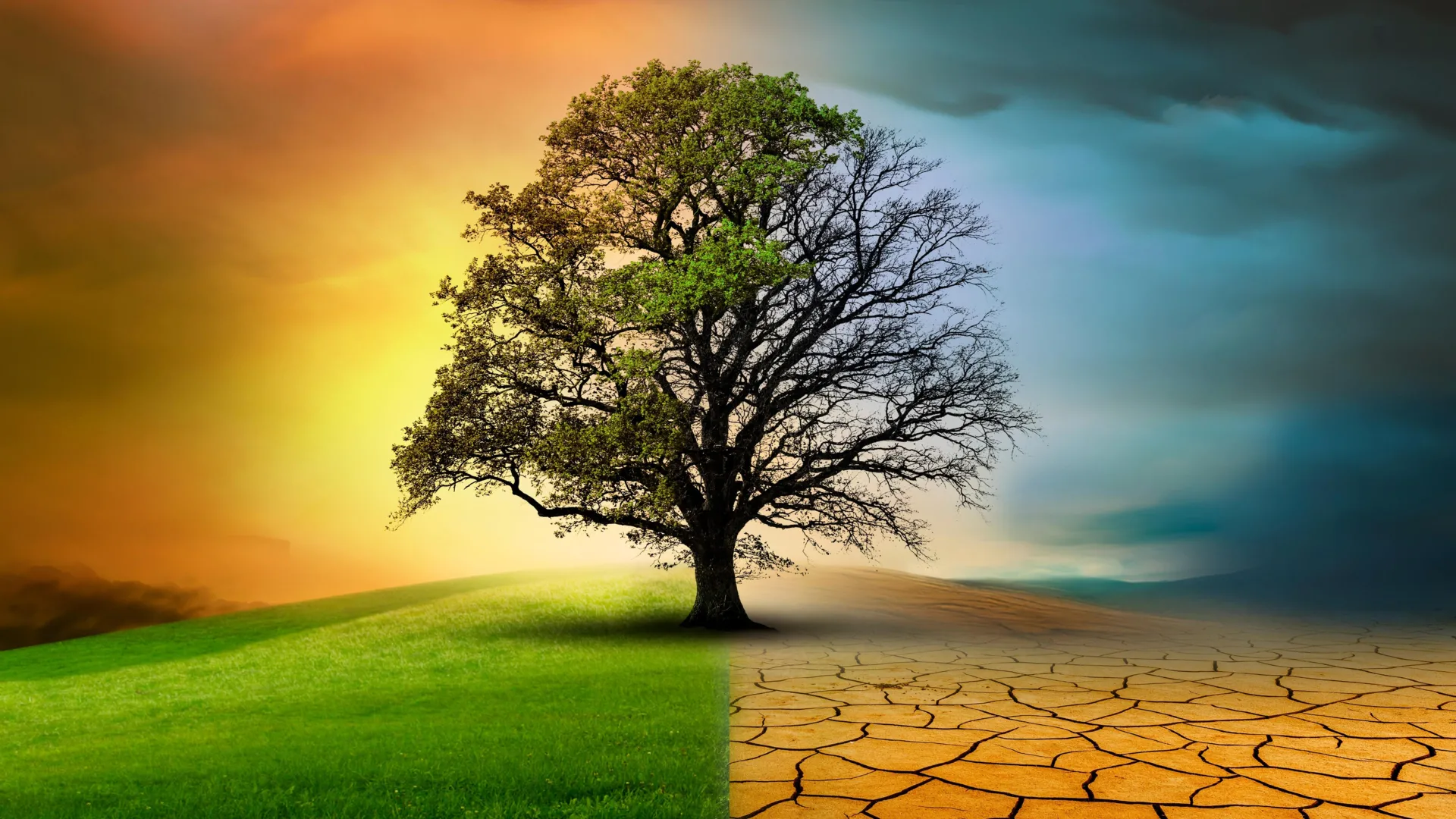
New research indicates that while climate change is accelerating at an unprecedented pace, the internal dynamics of ecosystems are slowing the rate at which species are replaced globally. Scientists analyzing long-term biodiversity data across forests, coral reefs, tundra, and freshwater systems found that many ecosystems exhibit a degree of resilience, with established species persisting longer than expected despite rising temperatures and shifting rainfall patterns.
The study suggests that biological interactions—such as competition, predation, and mutualism—can stabilize communities, delaying rapid species turnover even under environmental stress. However, researchers caution that this buffering effect may only be temporary. As warming intensifies, thresholds could be crossed that trigger sudden and widespread ecological shifts.
While species replacement has not yet matched the speed of climate change in many regions, warning signs are evident. Coral bleaching events, glacier retreat, and habitat fragmentation are increasing pressures on vulnerable species. Scientists emphasize that slower turnover does not equate to safety; rather, it may mask accumulating stress within ecosystems.
Experts argue that proactive conservation and emission reductions remain critical. Strengthening habitat connectivity, protecting biodiversity hotspots, and mitigating climate change could help ecosystems adapt more gradually—reducing the risk of abrupt collapses in the decades ahead. News as reported
