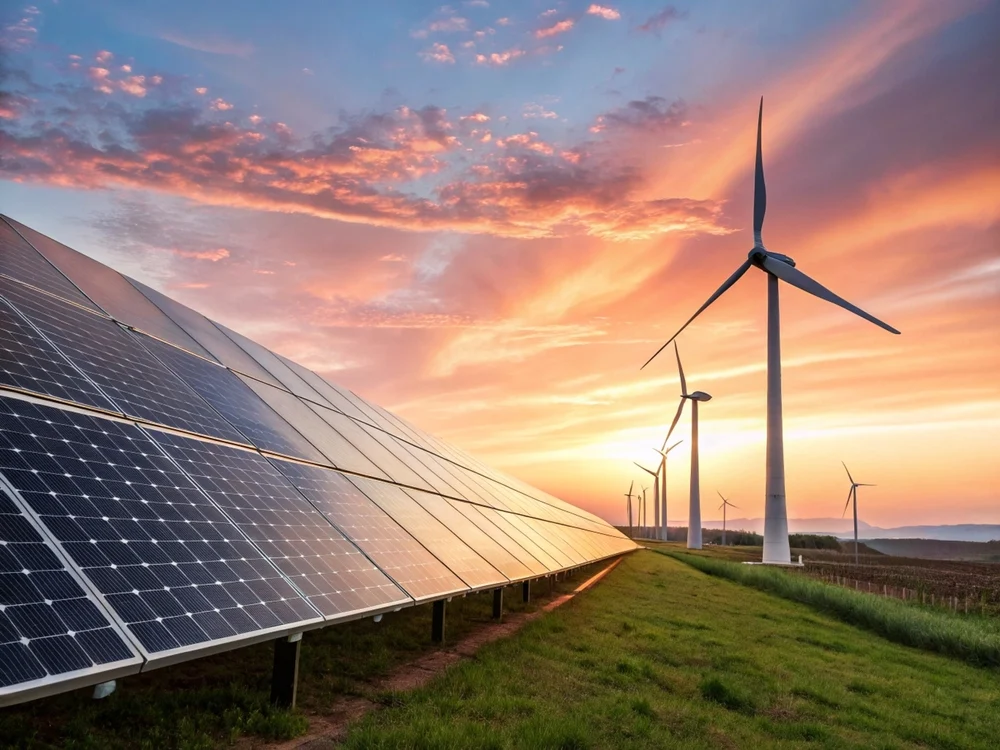
Countries around the world are accelerating the expansion of renewable energy as part of efforts to reduce carbon emissions and transition toward cleaner power sources. Governments are investing heavily in solar, wind, hydro, and other sustainable energy technologies to decrease reliance on fossil fuels and address the growing threat of climate change.
Large-scale solar parks and wind farms are being developed across many regions, with several countries setting ambitious targets to increase the share of renewables in their national energy mix. Advances in technology and falling production costs have made renewable energy more affordable and accessible than ever before, encouraging both public and private sector investments.
Experts say that expanding renewable energy not only helps reduce greenhouse gas emissions but also improves energy security and creates new employment opportunities. Many nations are also focusing on modernizing power grids and investing in energy storage systems to ensure a stable and reliable supply of clean electricity.
In addition, international cooperation and climate agreements are encouraging countries to adopt sustainable energy strategies and accelerate the global energy transition. Developing nations are receiving technical and financial support to build renewable infrastructure and reduce dependence on coal and other polluting fuels.
Energy analysts believe that with continued innovation and policy support, renewable energy could play a central role in meeting future global energy demands while protecting the environment and supporting sustainable development. News as reported