

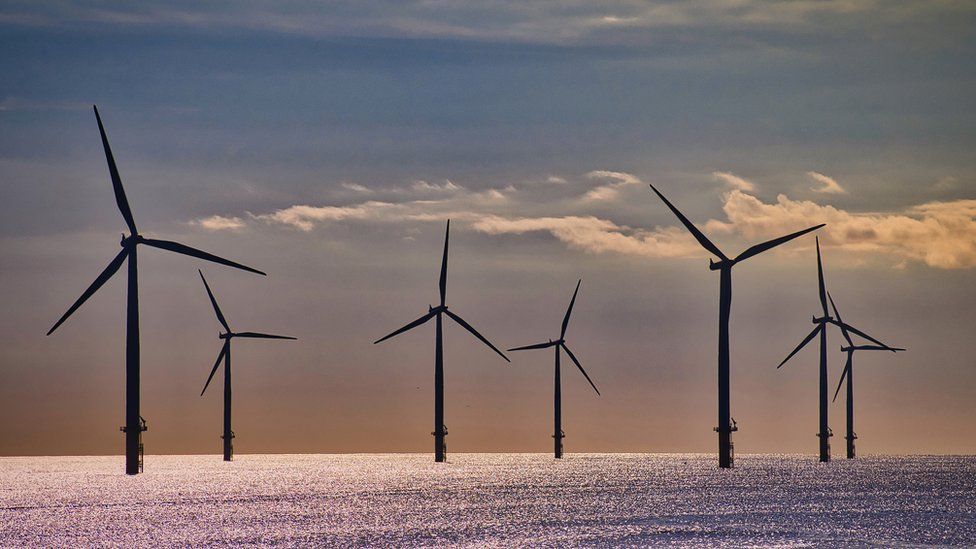
The global transition to renewable energy is accelerating as climate concerns and energy security challenges push countries to rethink their power systems. Governments, businesses, and communities are increasingly investing in clean energy sources such as solar, wind, hydropower, and geothermal to reduce greenhouse gas emissions and limit dependence on fossil fuels.
Falling technology costs and supportive policies have made renewables more accessible than ever. Large-scale solar and wind projects are expanding rapidly, while decentralized systems, including rooftop solar and mini-grids, are bringing electricity to remote and underserved areas. Energy storage technologies, such as advanced batteries, are also improving the reliability of renewable power.
Beyond environmental benefits, renewable energy adoption is creating economic opportunities by generating jobs and stimulating innovation. Many nations are setting ambitious targets to achieve net-zero emissions, placing clean energy at the center of their climate strategies.
However, challenges remain, including the need for upgraded power grids, consistent policy frameworks, and skilled labor. Experts emphasize that sustained investment, international cooperation, and technological innovation are essential to maintain momentum and ensure a successful transition to a cleaner, more resilient global energy system.

- upgraderz.aws@gmail.com
- upgraderz.aws@gmail.com
- upgraderz.aws@gmail.com
- upgraderz.aws@gmail.com