

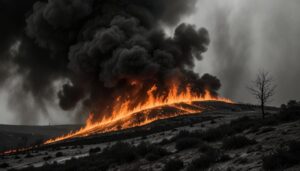
Record-breaking wildfires are sweeping across parts of southern Europe and North America, fueled by an extended period of severe drought and unusually high temperatures. Firefighters in countries such as Spain, Italy, Greece, Canada, and the western United States are battling fast-moving blazes that have scorched thousands of hectares, displaced communities, and strained emergency response systems.
Climate experts warn that this year’s wildfire season is among the most intense in recent decades, driven by a combination of persistent heatwaves, low soil moisture, and strong winds. Prolonged drought conditions have left vegetation extremely dry, creating ideal fuel for rapidly spreading fires. Scientists emphasize that these extreme conditions align with long-term climate trends linked to global warming.
In many affected regions, air quality has deteriorated sharply as thick smoke blankets large areas, affecting millions of residents and impacting vulnerable populations. Authorities have issued evacuation orders, while several countries have requested international firefighting support to contain the expanding fire fronts.
Environmental researchers stress the urgent need for strengthened climate adaptation strategies, including improved land-management practices, early-warning systems, and aggressive global emissions reduction. Without meaningful action, they caution that extreme wildfire seasons could become the new norm in a rapidly warming world.
