

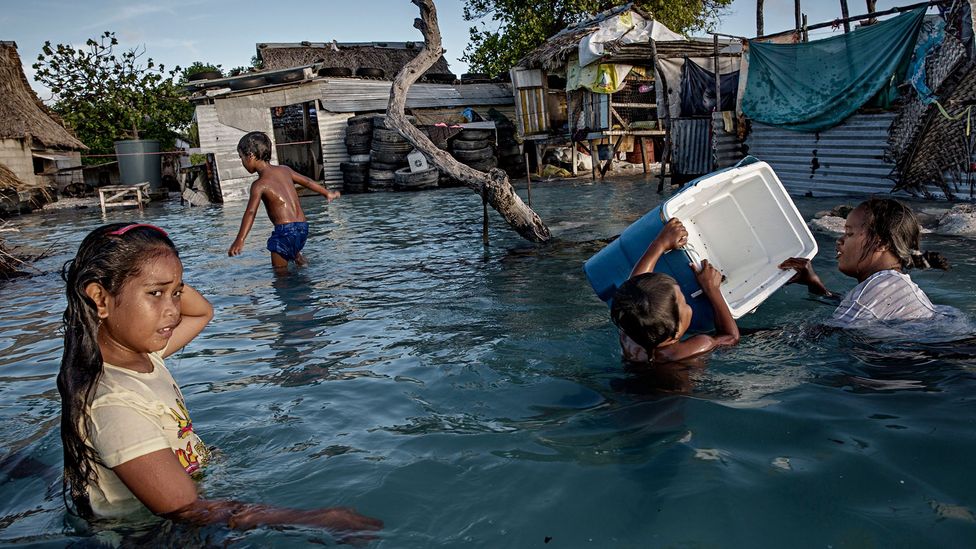
Global sea levels have reached record highs, posing serious threats to coastal ecosystems, communities, and economies around the world. Scientists report that rising ocean temperatures and accelerating ice melt from glaciers and polar ice sheets are driving an unprecedented increase in sea levels. The rate of rise has nearly doubled over the past three decades, raising concerns about the long-term stability of low-lying regions.
Coastal wetlands, mangroves, and coral reefs are among the most vulnerable ecosystems. These natural barriers protect shorelines from storms and flooding while supporting rich biodiversity. However, higher water levels and increased saltwater intrusion are damaging habitats, reducing fish populations, and disrupting breeding grounds for many species. Experts warn that continued sea-level rise could permanently submerge critical habitats, leading to significant ecological loss.
Communities living near coasts are also facing growing risks, including frequent flooding, erosion, and displacement. Small island nations and densely populated coastal cities are particularly at risk. Governments are now investing in adaptation measures such as seawalls, mangrove restoration, and climate-resilient infrastructure.
Climate researchers stress that reducing greenhouse gas emissions remains essential to slowing the trend. Without urgent global action, the combined impacts of rising seas and extreme weather could reshape coastlines and threaten millions of lives by the end of the century. News as reported

- upgraderz.aws@gmail.com
- upgraderz.aws@gmail.com
- upgraderz.aws@gmail.com
- upgraderz.aws@gmail.com