

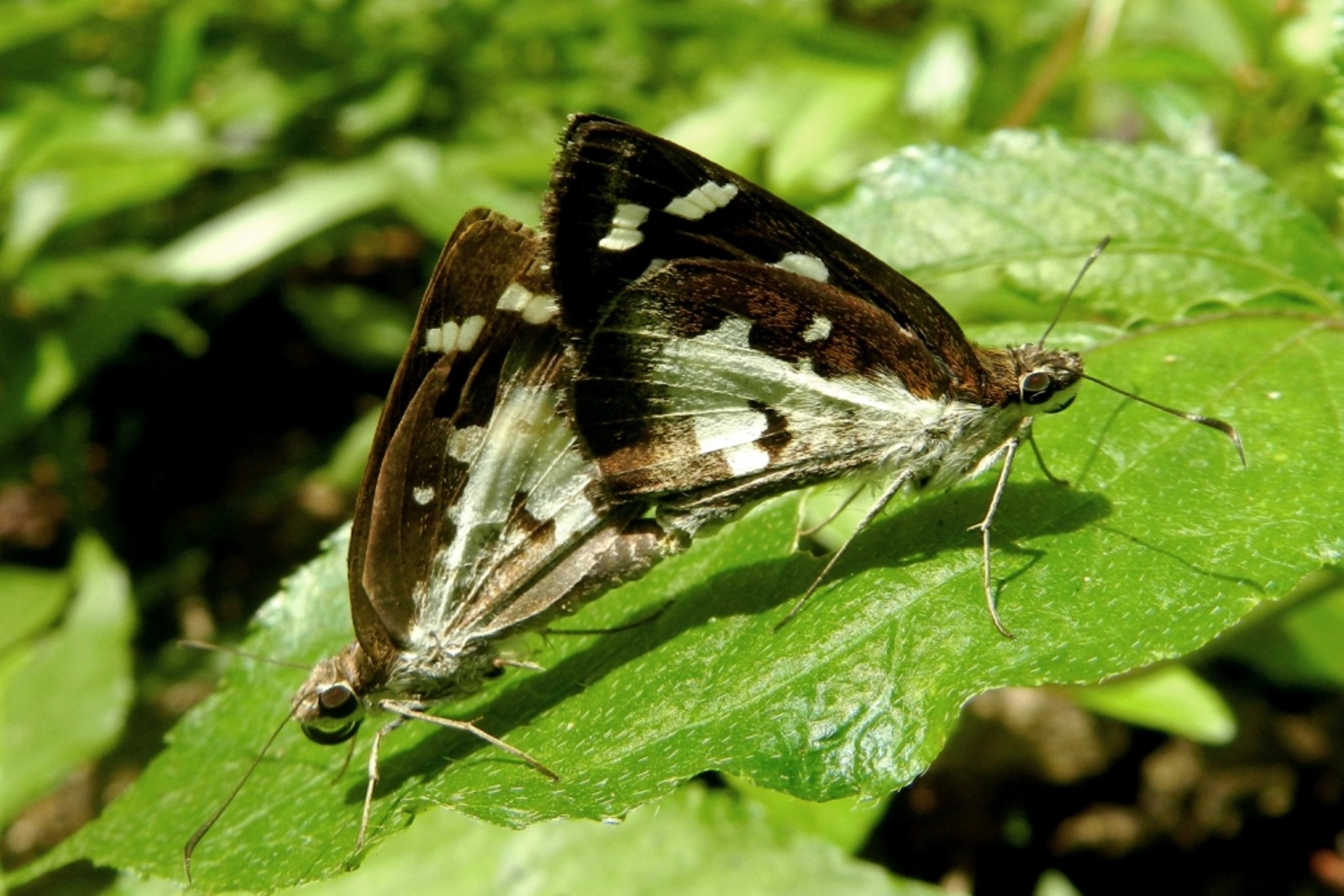
The Grass Demon (Ancistroides folus), a lesser-known butterfly species from the Hesperiidae family, is drawing attention for its unusual behavior and adaptability across India and Nepal. First documented in 1775 by Dutch entomologist Pieter Cramer, this species demonstrates remarkable survival strategies that set it apart from other butterflies in the region.
One of its most fascinating traits is its ability to delay key life stages—such as egg hatching, pupation, and emergence from the chrysalis—for several months. This adaptation allows the butterfly to survive unfavorable weather conditions, making it highly resilient in changing climates.
The caterpillar stage of the Grass Demon is equally intriguing. It constructs a protective shelter by rolling a leaf into a tube-like structure, remaining hidden inside during the day. Even when disturbed, the caterpillar avoids exposure to light and only ventures out during dusk and early dawn to feed, quickly retreating afterward.
Adding to its uniqueness, the adult Grass Demon butterfly can move its forewings and hindwings independently—a rare ability not observed in other butterflies on the Indian subcontinent. Scientists believe this feature may aid in improved flight control and predator evasion, making this species a remarkable subject for ongoing ecological study. News as reported
CONTRIBUTION BY VINCENT MASH — FORMER EDITOR OF PHOTOWIDE MAGAZINE AND ASSOCIATE EDITOR OF PHOTO TRACK MAGAZINE

- upgraderz.aws@gmail.com
- upgraderz.aws@gmail.com
- upgraderz.aws@gmail.com
- upgraderz.aws@gmail.com