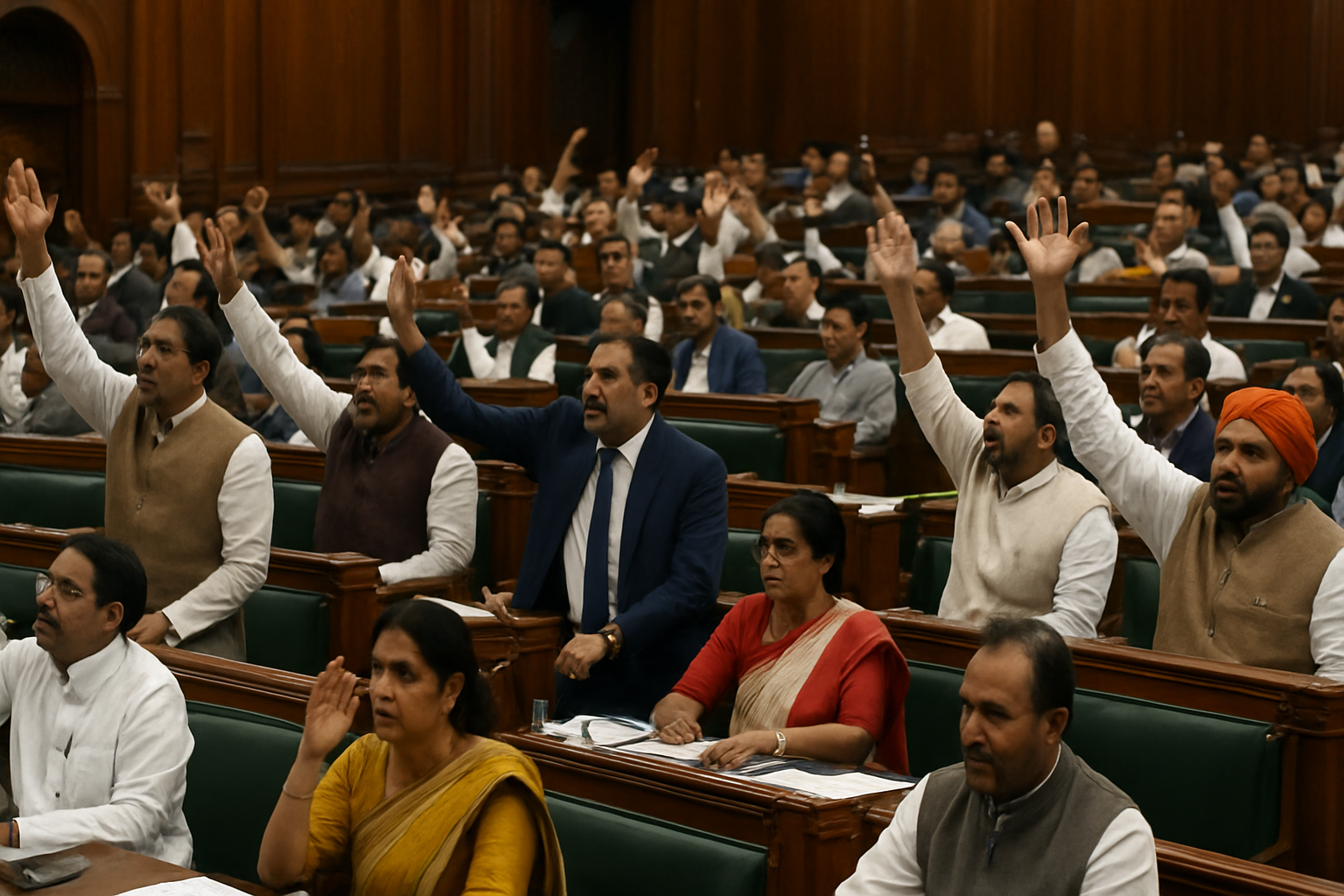
The ongoing session of Parliament has witnessed intense debates as several key bills move forward, reflecting sharp differences between the government and opposition parties. Lawmakers have engaged in prolonged discussions on proposed legislation that could significantly impact economic reforms, social welfare measures, governance structures, and administrative processes across the country.
The government has defended the bills as necessary steps to accelerate development, modernise systems, and address long-standing policy gaps. Ministers have emphasised that the proposed laws aim to improve efficiency, transparency, and public service delivery, while also strengthening India’s economic and institutional framework. According to the ruling side, timely passage of these bills is crucial to maintaining legislative momentum and meeting national priorities.
Opposition parties, however, have raised concerns over the content and process of the legislation. They have called for more detailed scrutiny by parliamentary committees, wider consultations with stakeholders, and extended debate to ensure the bills do not overlook public interest or constitutional safeguards. Several opposition leaders have argued that rushing complex bills could have unintended consequences and weaken democratic oversight.
The heated exchanges have led to multiple adjournments, underscoring the high political stakes involved. Despite disruptions, parliamentary proceedings continue as both sides seek to assert their positions and influence the legislative outcome. Political observers note that the current session highlights the dynamic nature of parliamentary democracy, where debate, disagreement, and dialogue play a central role.
As the session progresses, the fate of these key bills will be closely watched, as their passage or amendment is likely to shape policy direction and political discourse in the months ahead.