

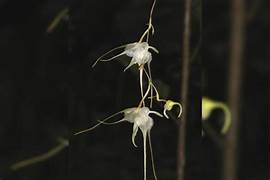
Scientists have uncovered a range of remarkable new plant and fungal species, highlighting both the planet’s rich biodiversity and the urgent need for conservation. Among the discoveries are rare orchids and an unusual “zombie fungus” that infects insects, illustrating the astonishing variety of life still waiting to be documented.
Researchers emphasize that these findings are a double-edged story: while they showcase the excitement of rapid species discovery, they also underscore the pressing threats facing many ecosystems. Habitat loss, climate change, and human activity are driving some species toward extinction even before they are formally described.
The discoveries were made in diverse habitats, from tropical forests to remote mountainous regions, revealing ecosystems that remain poorly studied but ecologically vital. Each new species contributes valuable insights into ecological interactions, evolutionary history, and potential applications in medicine or agriculture.
Experts say the findings reinforce the importance of protecting habitats and supporting taxonomic research. “Every new species is a reminder of both nature’s resilience and its fragility,” scientists note, stressing that conservation action must keep pace with discovery to prevent irreversible losses.
As researchers continue to explore the planet’s hidden corners, these discoveries serve as a powerful call to safeguard biodiversity for future generations.
