

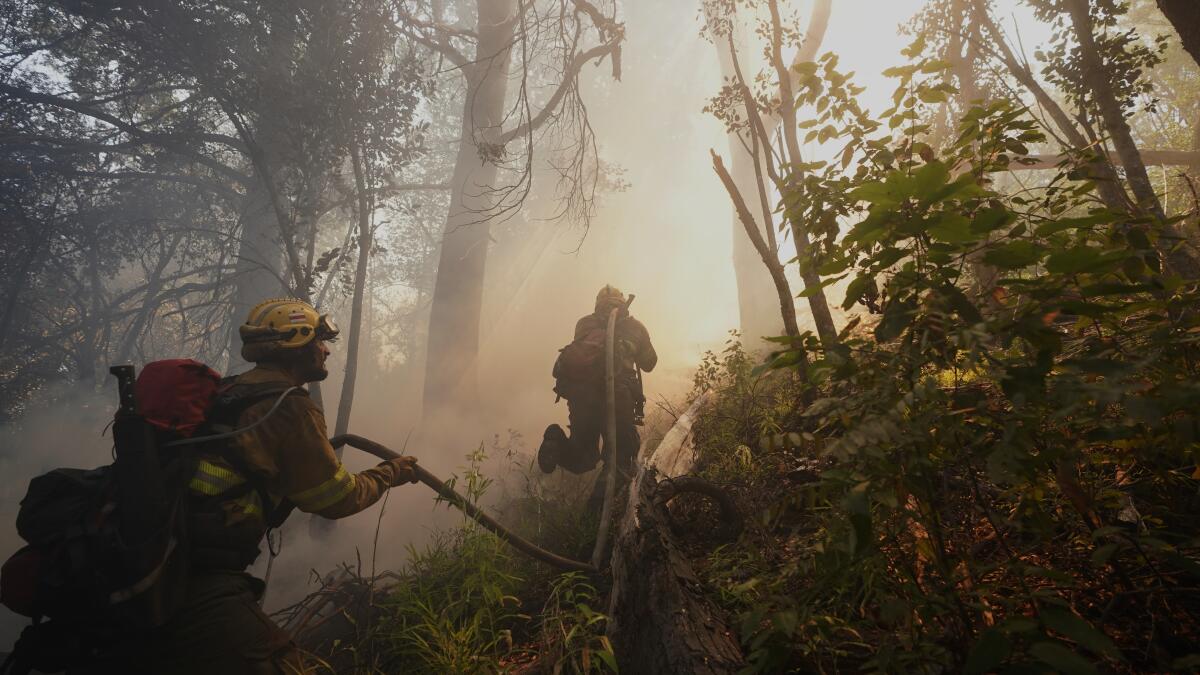
A new scientific analysis has found that human-driven climate change significantly increased the likelihood of the devastating wildfires that swept through Argentina and Chile’s Patagonia and central regions this summer, highlighting the growing role of global warming in extreme fire events. Researchers with World Weather Attribution — an international team that rapidly assesses climate impacts on acute weather — concluded that hot, dry and windy conditions fueling the blazes were made around 2.5 to three times more likely by human-caused greenhouse gas emissions than in a world without such warming.
The study found that reduced rainfall and prolonged drought, linked to higher global temperatures, contributed to unusually dry landscapes that acted as tinder when wildfires ignited, either from lightning or human causes. Spring and summer rainfall totals were roughly 20–25% lower than they would have been without fossil fuel-driven warming, increasing vegetation stress and fire risk.
The blazes destroyed homes, forced tens of thousands to flee and threatened ancient forests in Argentina’s Los Alerces National Park, a UNESCO World Heritage site. Scientists emphasize that as the planet continues to warm, such extreme fire weather will become more frequent and severe, underscoring the urgent need for stronger climate mitigation and adaptation strategies. News as reported