

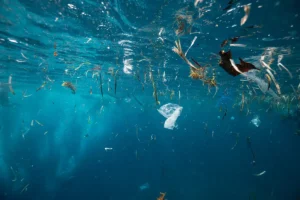
A new scientific study has revealed the presence of microplastics in some of the deepest ocean trenches on Earth, heightening global concerns about the far-reaching impacts of plastic pollution. Researchers collected sediment and water samples from trenches in the Pacific and Indian Oceans, discovering plastic fragments and fibers at depths exceeding 8,000 meters.
The findings indicate that microplastics—once believed to remain mostly in surface waters—are now infiltrating the planet’s most remote and least explored marine environments. Scientists warn that the accumulation of plastic debris in deep-sea ecosystems could disrupt delicate food chains, as small organisms ingest microplastics that then move upward through the marine food web.
The study also raises new questions about how plastics travel to such extreme depths. Experts suggest that ocean currents, sinking organic matter, and the breakdown of larger plastic debris may contribute to the downward transport. While the long-term ecological impacts remain unclear, early evidence suggests potential harm to deep-sea species, many of which are already vulnerable due to slow growth and limited habitats.
Environmental groups and researchers are calling for urgent global action to reduce plastic waste, emphasizing improved recycling systems, reduced single-use plastics, and stronger international pollution controls.
