

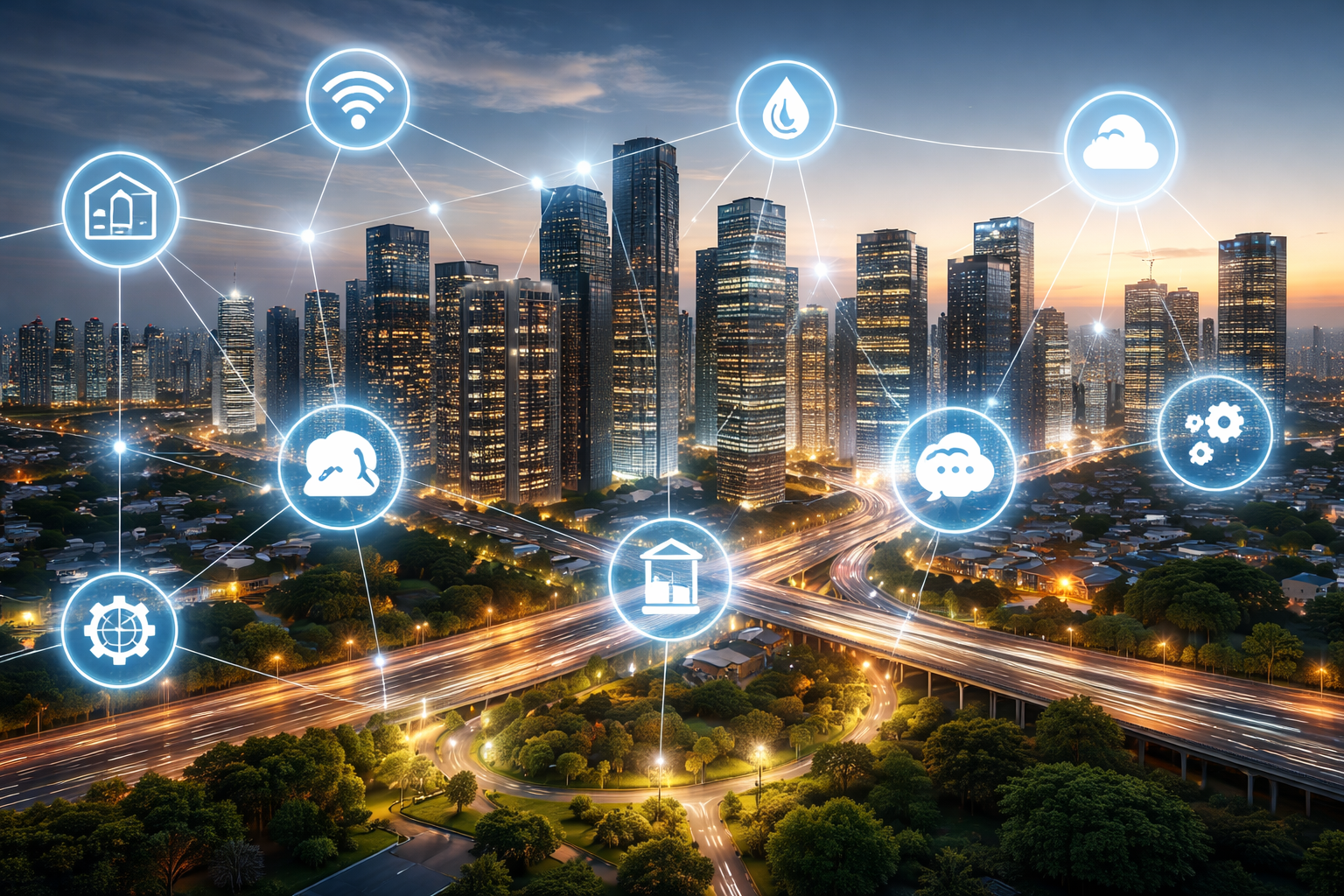
Governments and municipal authorities have announced a new wave of smart city projects aimed at improving urban infrastructure, public services, and overall quality of life for residents. The initiatives focus on integrating advanced technology into city management systems to create more efficient, sustainable, and connected urban environments.
The projects include the development of smart traffic management systems, intelligent street lighting, improved waste management solutions, and upgraded public transportation networks. By using technologies such as sensors, data analytics, and Internet of Things (IoT) devices, city administrators can monitor infrastructure in real time and respond quickly to issues such as traffic congestion, power outages, or water leaks.
Urban planners say the new initiatives will also strengthen digital governance and public service delivery. Many smart city programs include mobile applications that allow residents to report civic issues, pay utility bills, and access government services online. This digital integration helps reduce administrative delays and improves transparency in city management.
Another key focus of the projects is environmental sustainability. Several cities are investing in renewable energy for public infrastructure, smart water management systems, and green public spaces to reduce pollution and promote healthier living conditions.
Officials emphasize that the long-term goal of these projects is to build future-ready cities capable of supporting rapid population growth while maintaining efficient infrastructure and public services. With urban populations rising globally, smart city technologies are expected to play an increasingly important role in shaping modern metropolitan development. News as Reported.
