

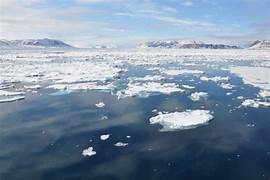
New scientific research has revealed that coastal seas across the world are acidifying at a much faster rate than previously understood, triggering renewed concern among marine scientists, policymakers, and coastal communities. While global ocean acidification has been widely documented, the new findings show that near-shore waters—where marine life is most abundant and human activity is most intense—are experiencing sharper and more rapid declines in pH levels.
This accelerated acidification is being linked to a combination of global CO₂ emissions, rising ocean temperatures, nutrient runoff from agriculture, sewage discharge, and changes in coastal circulation patterns. These factors make coastal waters more susceptible to chemical imbalance compared to the open ocean.
The consequences could be severe: shellfish, corals, plankton, and many commercially important fish species may struggle to survive as acidic waters weaken shells, disrupt reproduction, and reduce food availability. For millions of people living along coastlines who depend on fisheries, aquaculture, and tourism, this emerging threat poses significant economic and social risks.
Researchers warn that without immediate reductions in global carbon emissions and stronger coastal pollution controls, marine ecosystems could face irreversible damage. The study underscores the urgency of integrating coastal acidification monitoring into national climate and ocean policies worldwide.

- upgraderz.aws@gmail.com
- upgraderz.aws@gmail.com
- upgraderz.aws@gmail.com
- upgraderz.aws@gmail.com